

Category Archives: News

Modern dentistry: more conservative, more aesthetic and more preventive

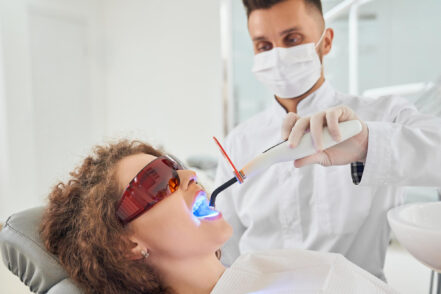
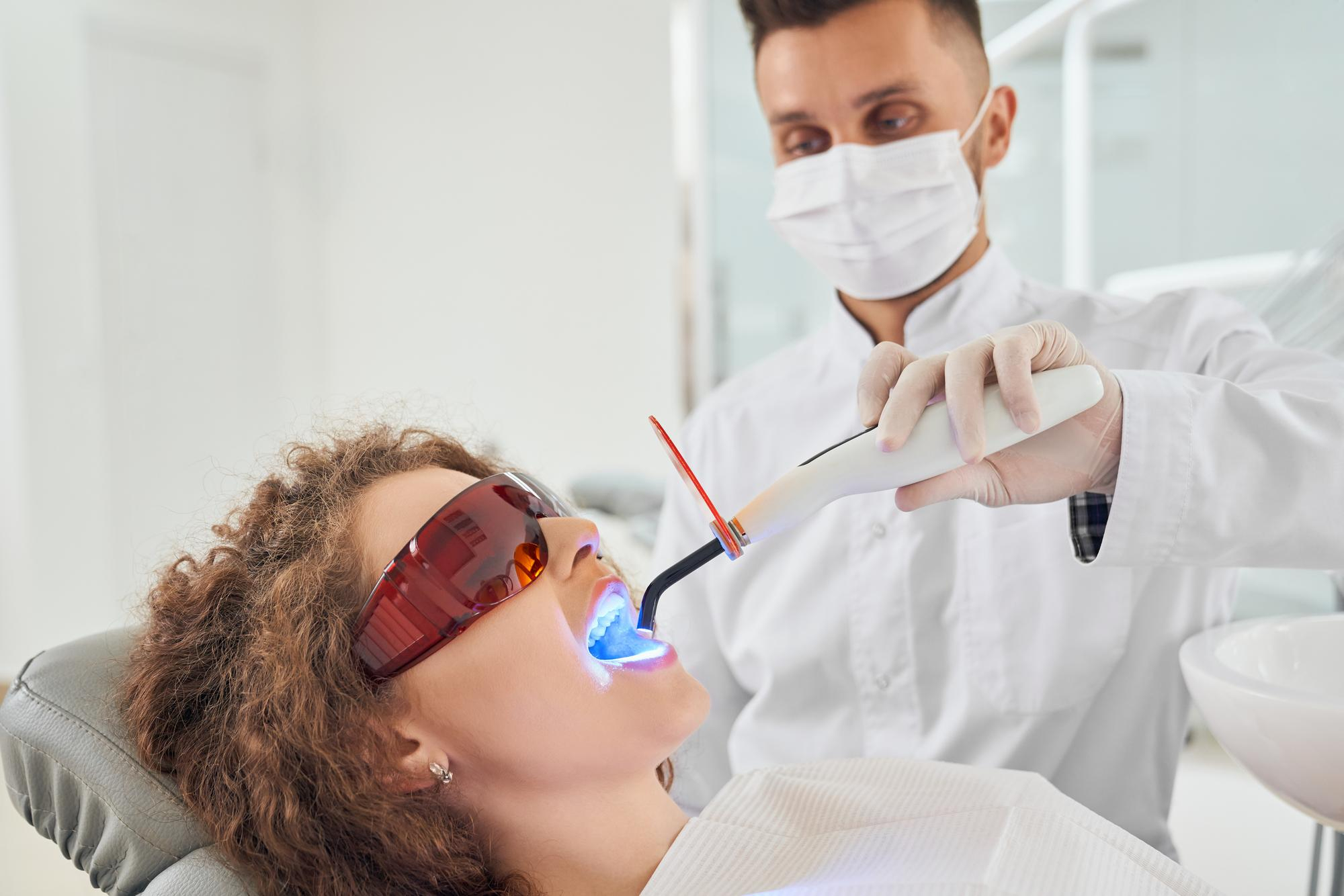
Un dentista aplica luz ultravioleta a los dientes de un paciente

Dentistry has changed significantly in recent years. In many ways, it is fortunate to be practising in this era.


Today, we see in clinic generations that have grown up with more information, greater prevention and better access to high-quality dental care. Many younger patients are the children of people who have already undergone orthodontic treatment, attended the dentist more regularly and received better education in oral hygiene.


In the past, it was common to see mouths with extensive decay, missing teeth, advanced gum disease or cases that presented too late for optimal intervention. Today, more and more patients seek care earlier, attend check-ups more regularly, have fewer cavities and aim not only to solve problems, but to maintain a healthy, functional and aesthetic mouth for many years.
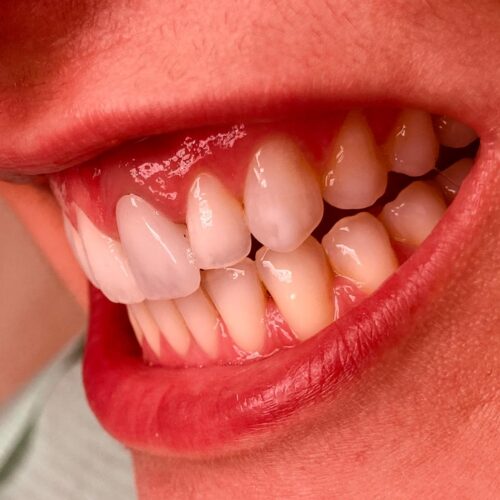
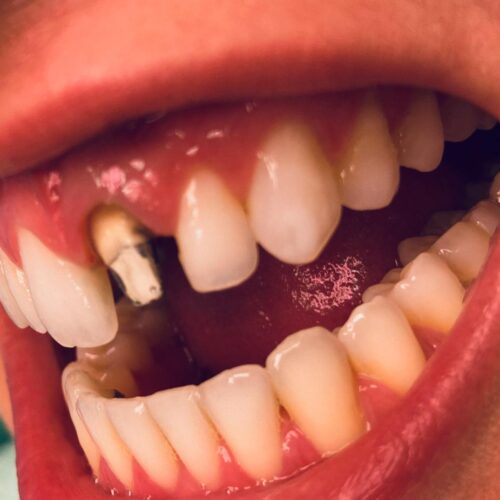
odontologia menos invasiva 2
odontologia menos invasiva
odontologia menos invasiva 3

Less invasive because we intervene earlier

Modern dentistry is less invasive because, in many cases, we no longer need to wait for problems to become advanced.

When patients attend regular check-ups, we can detect early-stage decay, control gum inflammation before it progresses, or correct dental misalignment before it has a greater impact on the bite.

This allows us to carry out smaller, more precise and more conservative treatments that better preserve the natural tooth.

Today, the goal is not to “do more”, but to do what is necessary at the right time.

“It is fortunate to be living in this era. The younger generations are the children of people who already had access to high-quality dentistry, who have undergone orthodontic treatment and received good dental education.

How does this affect our work? Our patients have very few cavities, they seek early care, they want straight teeth, and they understand the importance of periodontal care.”

Dr. Andrés Llobell

The value of preserving natural teeth

At Clínica Llobell, we strongly emphasise one key principle: natural teeth should be preserved whenever possible.

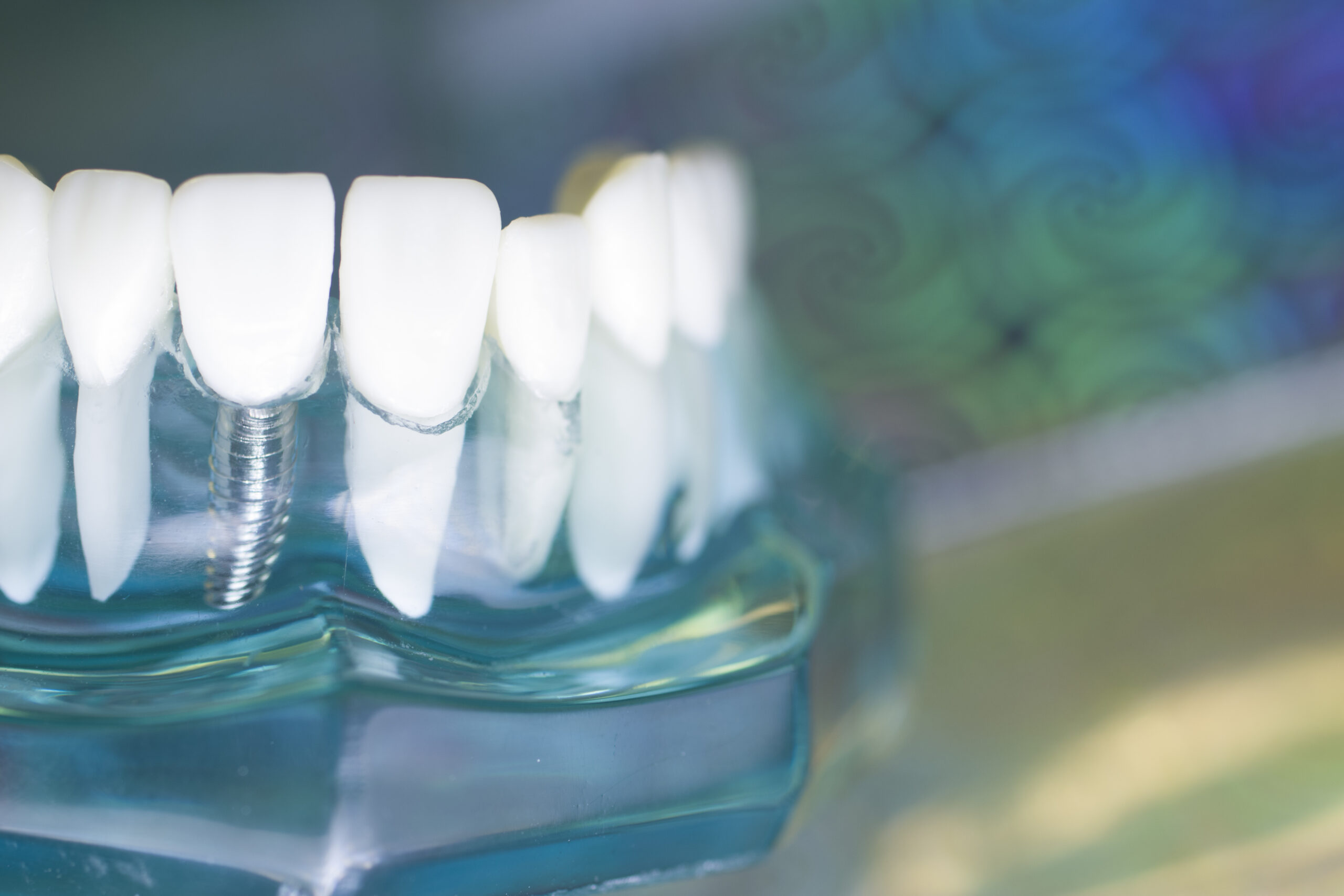
A dental implant can be an excellent solution when a tooth can no longer be maintained, but it should not be the first option if a conservative alternative with a good prognosis is still available.

A natural tooth has sensitivity, a periodontal ligament, biological adaptability and a relationship with the bone that no implant can fully replicate. For this reason, if we can keep it healthy, functional and stable, it is worth doing so.

Modern dentistry should not be based on rapidly replacing teeth, but on preserving them for as long as possible.

“It is well established that we should make maximum use of our natural teeth, and that implants are intended for when they fail, although many people do manage to retain their teeth for life. Our work is more focused on aesthetic prosthodontics, orthodontics to improve occlusion and smile aesthetics, and periodontal prevention.”

Dr. Andrés Llobell

Fewer implants, better planning

For many years, implant dentistry has been one of the major advances in dentistry. Thanks to implants, many patients have regained function, aesthetics and quality of life.

However, it is also important to understand that not everything should be solved with implants.

We are increasingly placing emphasis on assessing the full case: the patient’s age, the condition of their teeth, available bone, bite, oral hygiene, gum health, and the options we can keep open for the future.

In younger patients in particular, this approach is essential. Placing implants too early can limit future treatment options. For this reason, when it is possible to use natural teeth as support for a fixed restoration, such as a well-planned crown or bridge, this is often the more prudent option.

More aesthetic, but without compromising health

Modern dentistry is also more aesthetically driven. However, good dental aesthetics does not consist of creating artificial-looking smiles or replacing all teeth unnecessarily.

Well-understood aesthetics aim for harmony, naturalness and balance.

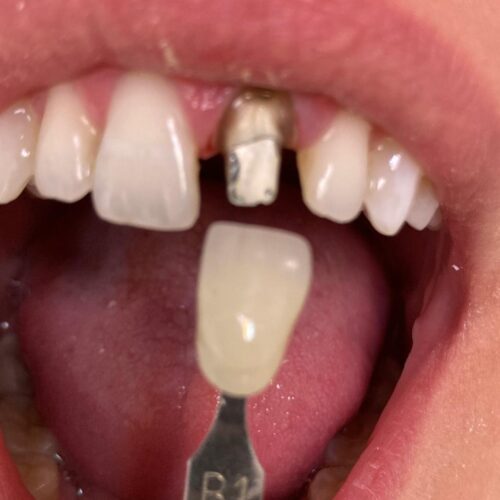
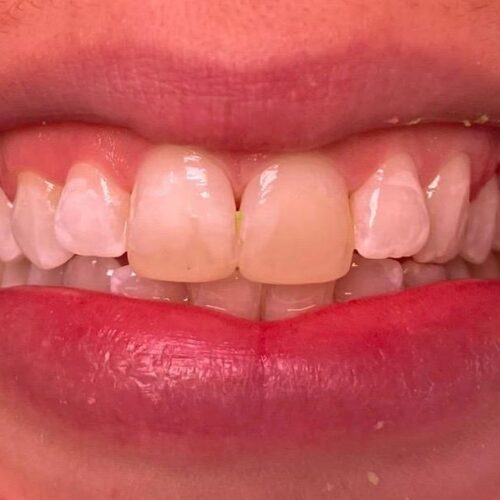
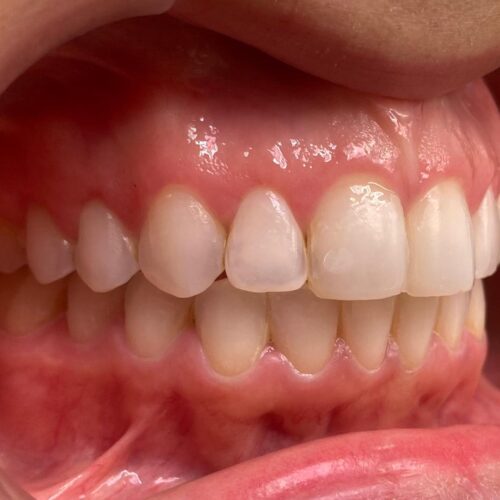
Treatments such as teeth whitening, porcelain veneers, single porcelain crowns or minor aesthetic restorations allow us to enhance the smile in a very precise way, often through targeted, minimally invasive procedures.

Today, many patients do not require extensive rehabilitation. They need small, well-executed adjustments: improving colour, correcting shape, closing spaces, aligning teeth or restoring a damaged tooth without altering the rest of the mouth.

“Examples of our work include teeth whitening, porcelain veneers and single porcelain crowns—highly specialised treatments for patients who require only targeted, minimally invasive interventions.”

Dr. Andrés Llobell
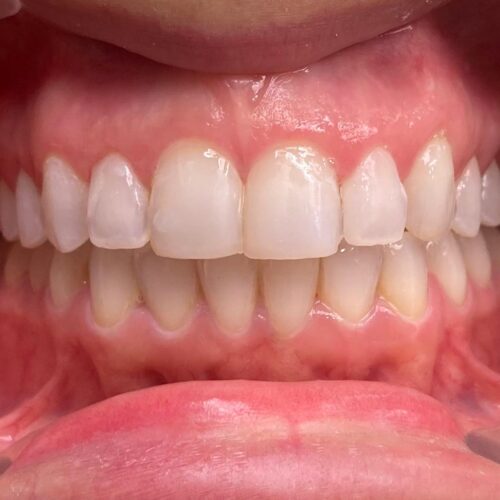
Caso inicial, ortodoncia y odontología estética
Odontologia conservdora
Finales odontologia estetica

Orthodontics for a better smile and a better bite

Orthodontics has also changed significantly.

It is no longer understood solely as a treatment for teenagers, nor simply as a way of straightening teeth. Today, we know that good orthodontic treatment can improve the bite, make oral hygiene easier, protect teeth from wear, and create a more balanced smile.

Clear aligners, braces and modern treatment planning techniques allow us to tailor treatment to each patient. However, once again, the most important factor is not the technique itself, but the diagnosis.

A beautiful mouth must also be a functional one.

Periodontal prevention: key to the future

Another major shift has been the importance we place on gum health.

For a long time, many patients only visited the dentist when they were in pain. Today, more and more people understand that periodontal health is essential for maintaining their teeth.

Gum inflammation, bleeding or bone loss should not be considered normal. These are warning signs that should be assessed and treated as early as possible.

Periodontal prevention helps to avoid more serious problems, improves tooth stability and is also essential in patients with dental implants.

A more intelligent approach to dentistry

Modern dentistry is more aesthetic, yes. But above all, it should be more intelligent.

More conservative when teeth can be preserved.
More preventive when we can anticipate problems.
More aesthetic when the patient wishes to improve their smile.
And more restorative when function truly needs to be rebuilt.

At Clínica Llobell, we offer a range of dental treatments to support patients at every stage: prevention, orthodontics, aesthetic dentistry, prosthetics, periodontics, implantology and oral rehabilitation.

Our aim is not to carry out unnecessary treatments, but to help each patient maintain a healthy, attractive and functional smile for as long as possible.

“At Clínica Llobell, we offer a full range of treatments to help you maintain an optimal smile at all times.”

Dr. Andrés Llobell
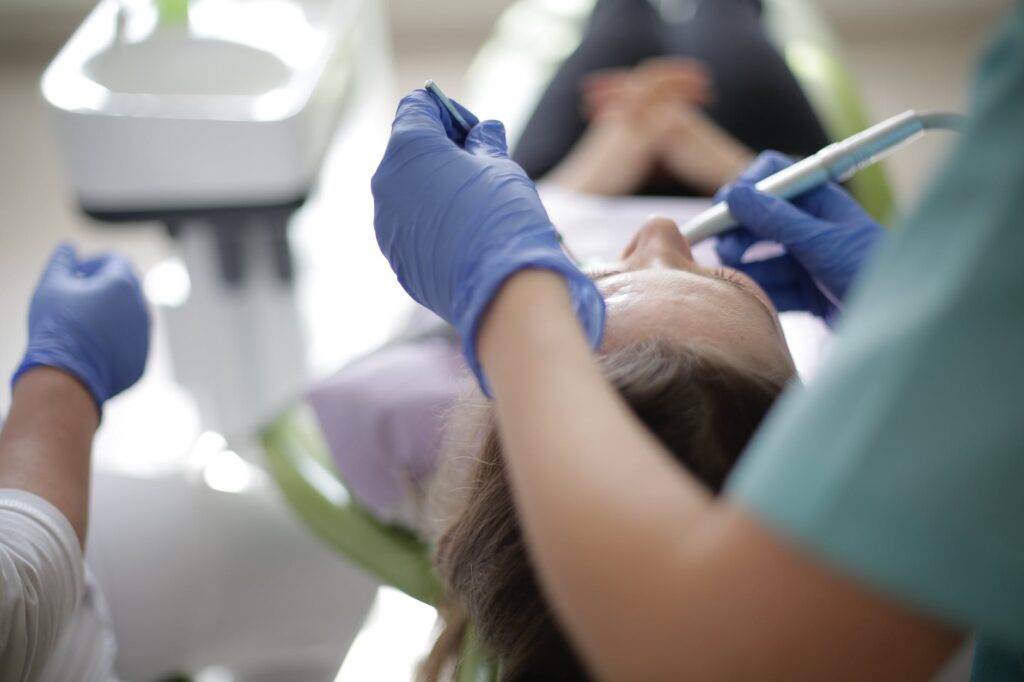
Why Remove Wisdom Teeth in Young People?

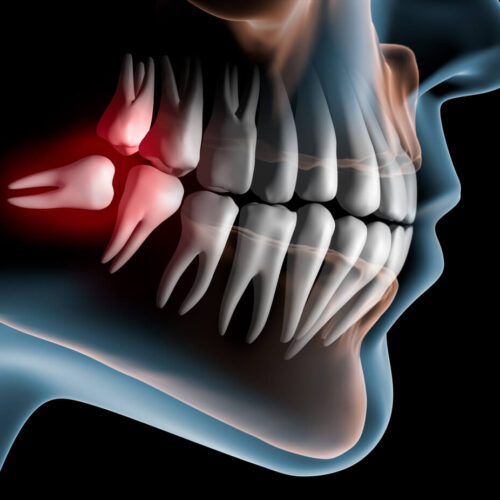
“My wisdom teeth haven’t come in properly, but they don’t bother me. Why do I need to have them removed?” This is a question we hear very often in our clinic. And it’s a perfectly reasonable one: if there is no pain, swelling, or obvious discomfort, it may seem like there is no problem at all. However, when it comes to wisdom teeth, the issue often does not begin with pain. Instead, it can stem from an unfavourable position, difficulty maintaining proper hygiene, and silent damage to neighbouring teeth.

Wisdom teeth, also known as third molars, usually emerge between the late teenage years and early adulthood. In some people, they erupt correctly, have enough space, fit properly into the bite, and can be cleaned effectively. In these cases, removal is not always necessary. However, when they grow at an angle, remain partially covered by gum tissue, lack sufficient space, or serve no real function in the bite, they should be assessed very carefully.

Caries en segundo molar
Proceso de cicratización tras la extracción de muela del juicio
Muelas juicio dolor

Extraction Is Often Easier in Younger Patients

One of the reasons for considering wisdom tooth removal at a younger age is that the jawbone is usually less dense, the roots may be less fully developed, and recovery tends to be quicker than in older adults. According to Mayo Clinic, in many cases, removing wisdom teeth in young adults can be safer, simpler, and associated with a more favourable recovery than waiting until later in life.

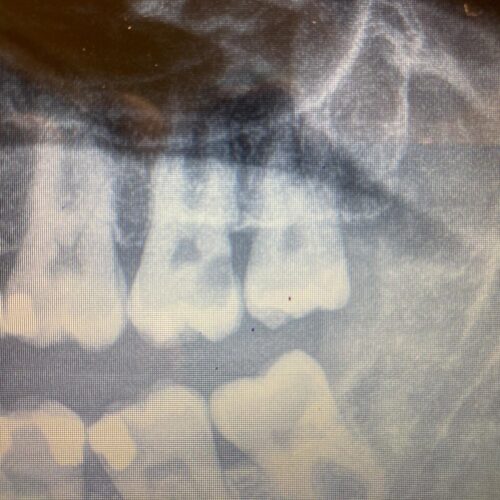
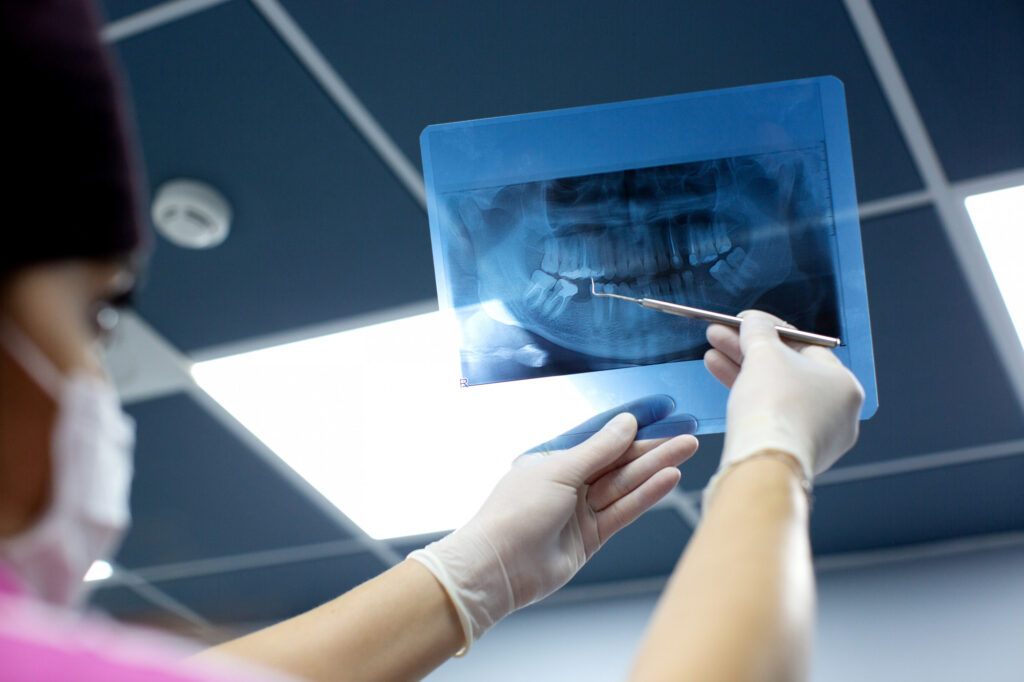
This does not mean that wisdom teeth should be removed routinely. Rather, they should be assessed at the right time. A simple X-ray allows the dentist to evaluate their position, their relationship with the second molar, and whether there is a risk of future problems.

“The first reason, and perhaps the simplest—though not necessarily the most important—is that the bone is generally softer in younger patients, making wisdom teeth easier to remove and resulting in less postoperative discomfort.”

Dr. Andrés Llobell
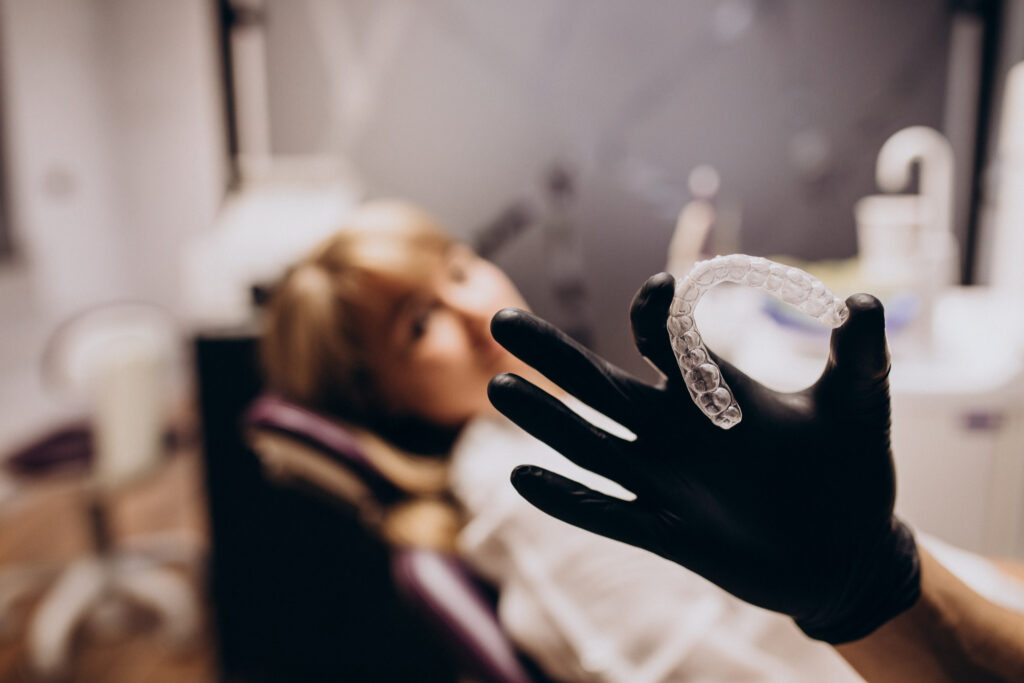
When Wisdom Teeth Interfere with Orthodontic Treatment and Bite Alignment

Another important consideration is the relationship between wisdom teeth, orthodontic treatment, and occlusion.

If a wisdom tooth does not have enough space, erupts at an angle, or pushes against the second molar, it can affect the stability of the bite or complicate orthodontic treatment planning. The American Dental Association notes that a dentist may recommend the removal of wisdom teeth as part of treatment with braces or other dental procedures when deemed necessary.

For this reason, we always assess the position of wisdom teeth in young patients who are about to begin orthodontic treatment or who have recently completed it.

“The second reason, and a particularly important one, is that wisdom teeth can interfere with orthodontic treatment and with the overall alignment of your bite.”

Dr. Andrés Llobell
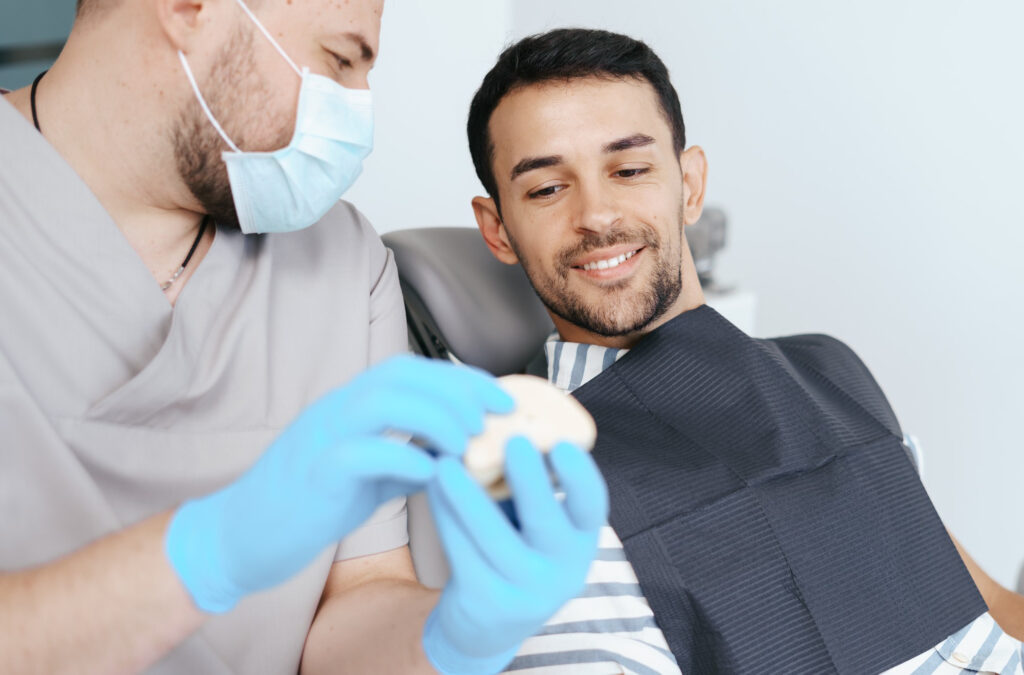
The Biggest Problem: Difficult-to-Maintain Hygiene

The reason we encounter most often in clinical practice, after years of experience, is oral hygiene.

A wisdom tooth that has not erupted properly, remains partially covered by gum tissue, or does not fit correctly with the opposing tooth can become an area where food debris and bacterial biofilm accumulate.

A patient may brush the rest of their mouth thoroughly but still be unable to clean this area effectively. This is where problems begin: gum inflammation, bad breath, recurring discomfort, a persistent feeling that the mouth is not clean, or localised infections. Both the NHS and the American Dental Association note that partially erupted or poorly positioned wisdom teeth can trap food and bacteria, increasing the risk of tooth decay, gum disease, and infections.

“The third reason, based on clinical experience, is that a wisdom tooth that has not erupted in the correct position and does not occlude properly becomes a site where food debris and bacterial biofilm accumulate.

These teeth can contribute to halitosis, act as reservoirs for anaerobic bacteria, and increase the likelihood of recurrent throat-related problems. But above all—and I cannot stress this enough—I frequently see patients who develop extensive decay in their second molars simply because they cannot maintain proper hygiene in that area.

In many cases, the wisdom tooth itself may be free of decay, while food particles become trapped beneath the enamel margin of the adjacent second molar. This can lead to severe cavities that are often disproportionate to the patient’s overall oral health and, unfortunately, may leave the second molar impossible to restore.”

Dr. Andrés Llobell
The Most Serious Damage Often Affects the Second Molar

In many cases, the real problem is not the wisdom tooth itself, but the tooth directly in front of it.

This is a very important point.

When a wisdom tooth is tilted against the second molar, it creates an area that is extremely difficult to clean, where food debris can accumulate below the enamel margin. Even patients with otherwise excellent oral hygiene are often unable to clean this area effectively. Over time, a deep cavity may develop in the second molar.

What makes this particularly frustrating is that the wisdom tooth itself often shows little or no decay, while the second molar—a functional and important tooth—can suffer significant damage. In some cases, the tooth can be restored. In others, the decay progresses so deeply that the long-term prognosis for the second molar becomes poor.

This is why we emphasise that it is not always advisable to wait for symptoms to appear. By the time pain develops, the problem has often been progressing unnoticed for quite some time.

So, Should All Wisdom Teeth Be Removed?

No. If a wisdom tooth has fully erupted, is properly aligned, bites correctly, does not cause inflammation, and can be cleaned effectively every day, it can often be kept and monitored through regular dental check-ups.

However, if it is poorly positioned, partially covered by gum tissue, prone to trapping food, difficult to clean, affecting the second molar, or interfering with orthodontic treatment, then it is usually wise to consider extraction.

The goal is not to remove wisdom teeth unnecessarily. Rather, it is to prevent a future problem that, in many cases, is both predictable and avoidable.

“Should I have them removed? If they are not properly aligned, my answer is generally yes. You will reduce the risk of future problems that are often difficult to avoid, improve your ability to keep the area clean, and enjoy a healthier, fresher-feeling mouth.”

Dr. Andrés Llobell
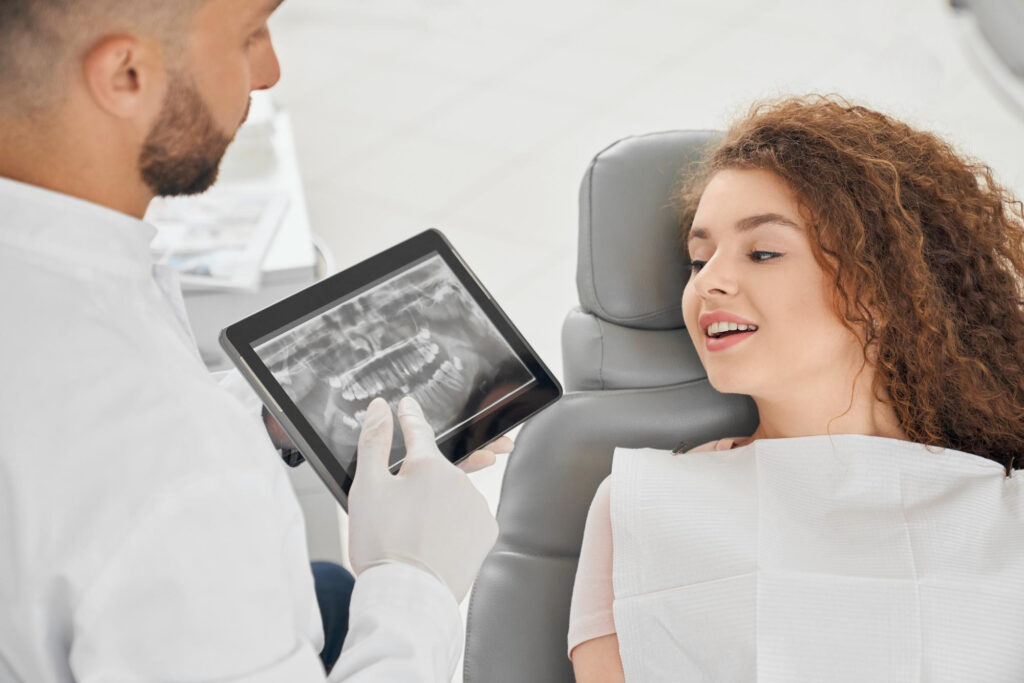
Prevention Is Better Than Late Treatment

Removing a wisdom tooth at the right time can help prevent infections, recurrent inflammation, difficult-to-treat cavities, and damage to the adjacent second molars.

At Llobell Clinic, we assess each case individually through a clinical examination and radiographic evaluation, explaining whether extraction, monitoring, or simply regular follow-up is the most appropriate option.

In dentistry, prevention often saves time, discomfort, and the need for more complex treatments in the future.

If you have any concerns about your wisdom teeth, feel free to contact us. Even when they are not causing pain, they may still be telling us a great deal about your oral health.

“Don’t wait until problems arise. Prevention in dentistry saves both time and money. If you have any questions or concerns, we’ll be happy to help.”

Dr. Andrés Llobell
Llobell Clinic and Cycling: A History of Supporting Valencian Sport
Since 2017, Llobell Clinic has maintained a very special relationship with cycling. What began as a way of supporting a group of athletes from the Valencian Community has gradually evolved into a project that brings together sport, health, camaraderie, and a shared passion for cycling.
Team Llobell is made up of men and women who, beyond their professional lives and daily responsibilities, share the same enthusiasm: getting on their bikes, training, competing, and enjoying the sport of cycling. It is not a professional team, but rather a group of passionate individuals who embody the core values of amateur sport: dedication, perseverance, self-improvement, and respect for the environment.
A Team Born from a Passion for Cycling

Over the years, the team has taken part in a variety of mountain bike (MTB) events, BTT rides, as well as several road cycling races and routes. Its members can often be seen riding in some of the most renowned cycling areas of the Valencian Community, such as the Sierra Calderona and Picayo, where many cycling enthusiasts train and enjoy riding through beautiful natural surroundings.

Llobell Clinic has supported the team since its inception, contributing to its equipment, the evolution of its kit designs, and the introduction of new colours and sponsors. Each season has provided an opportunity to improve, refresh the team’s image, and continue building a recognisable identity within the Valencian cycling community.
EQUIPO CLÍNICA LLOBELL 3
3

Much More Than a Sponsorship

For Llobell Clinic, supporting Team Llobell is about much more than sponsorship. It is a way of staying connected to the community, promoting healthy lifestyles, and supporting people who find in sport a way to grow, disconnect from daily pressures, and share meaningful experiences.

Cycling demands discipline, patience, and determination—values that are also part of the everyday work of a clinic that has spent decades dedicated to oral healthcare, a commitment to excellence, and the trust of its patients.

That is why seeing the team compete, train, and continue taking on new challenges year after year is a source of great pride.

Women, Young Riders, and New Challenges on Two Wheels

One of the most special aspects of Team Llobell is the presence of female cyclists and younger generations who are joining the team with enthusiasm and determination. Riders such as Mónica de la Cruz Tolmo and Clara Almendros de la Cruz have achieved podium finishes in events such as the Bonete BTT Ride, demonstrating that consistency, enthusiasm, and a passion for cycling can lead to outstanding results.
Their participation in BTT rides and cycling events across different regions reflects the true spirit of the team: to compete, certainly, but also to enjoy the journey, learn from every experience, and keep pedalling towards new challenges.

EQUIPO CLÍNICA LLOBELL 2

A Design That Has Also Left Its Mark

Over the years, Team Llobell’s cycling kit has become an integral part of its identity. In fact, some of its designs have been so well received that other cyclists have wanted to wear them on their own rides. This is a sign that the project has grown beyond the team itself and has connected with the wider cycling community.
This evolution has also been made possible through the support of various sponsors and partners, including Seberco, Engobe, Pastelería Aixa, and more recently, Joyeros Tolmo, whose support Llobell Clinic greatly appreciates.

Proud to Keep Pedalling Together

After several years supporting Team Llobell, the enthusiasm remains as strong as ever. Every race, every training ride, and every new season is a reminder of sport’s remarkable ability to bring people together, build a sense of community, and create shared experiences.

At Llobell Clinic, we will continue to support this group of cyclists who so perfectly embody a passion for cycling and the sporting spirit of the Valencian Community.

So, if one day you spot a Team Llobell jersey in the Calderona, on the Picayo, or at a cycling event, don’t hesitate to say hello.

We’ll keep pedalling together.

Clear Orthodontics/ Invisalign

Invisalign

CLEAR ORTHODONTICS/ INVISALIGN

Valencia Clinic

Orthodontic treatment without brackets. Performed with transparent splints that are changed according to the movements that are generated to correct the malpositions.

Invisalign

Clear Orthodontics/ Invisalign, what is it?

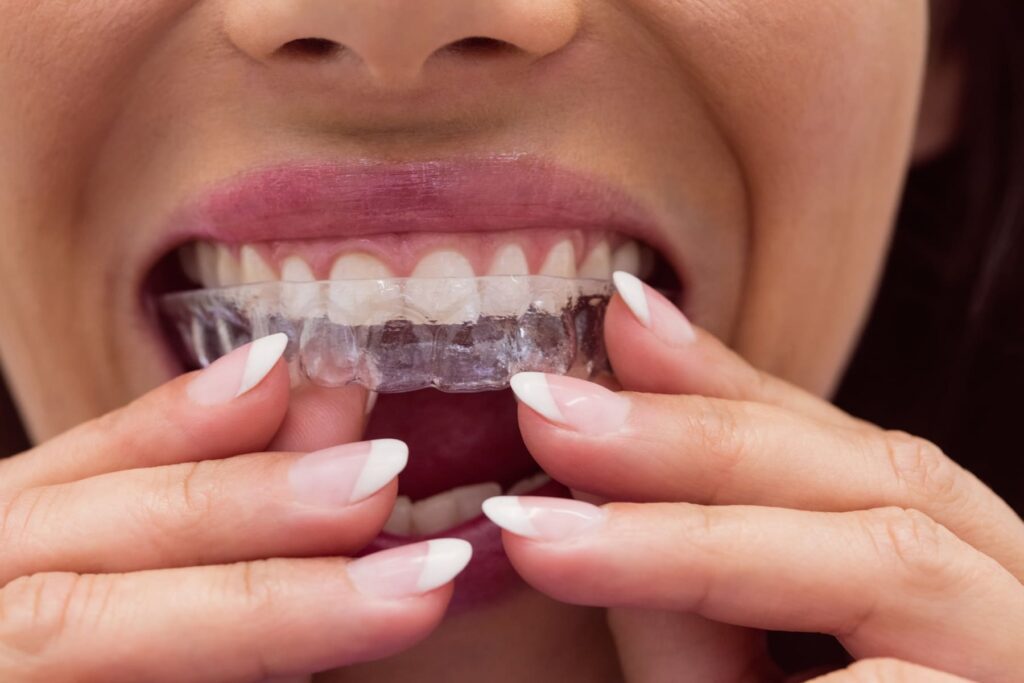
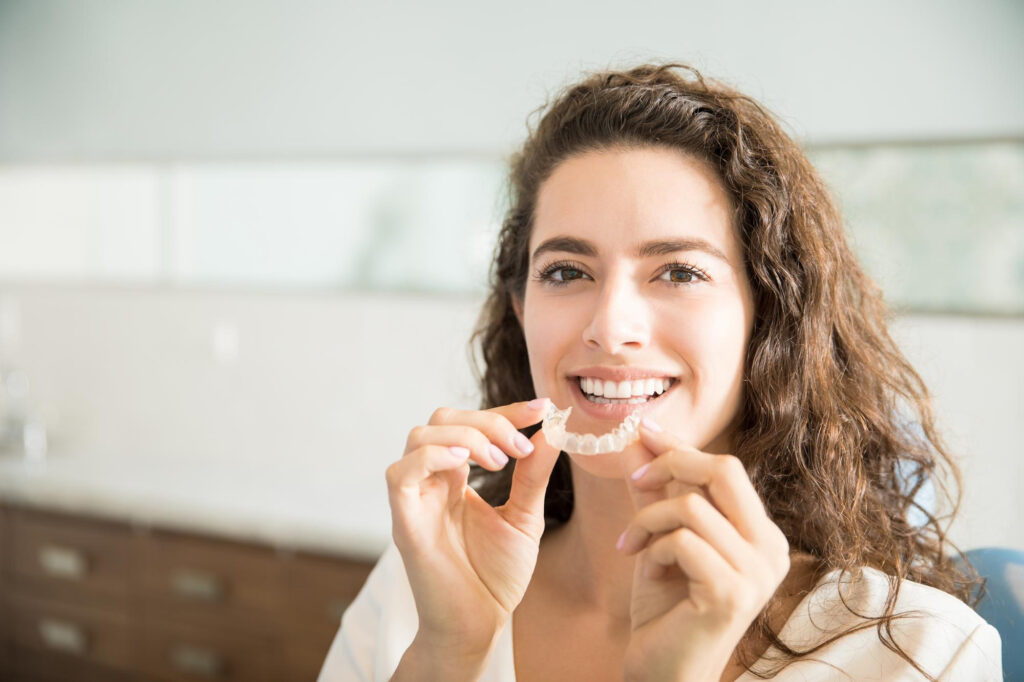
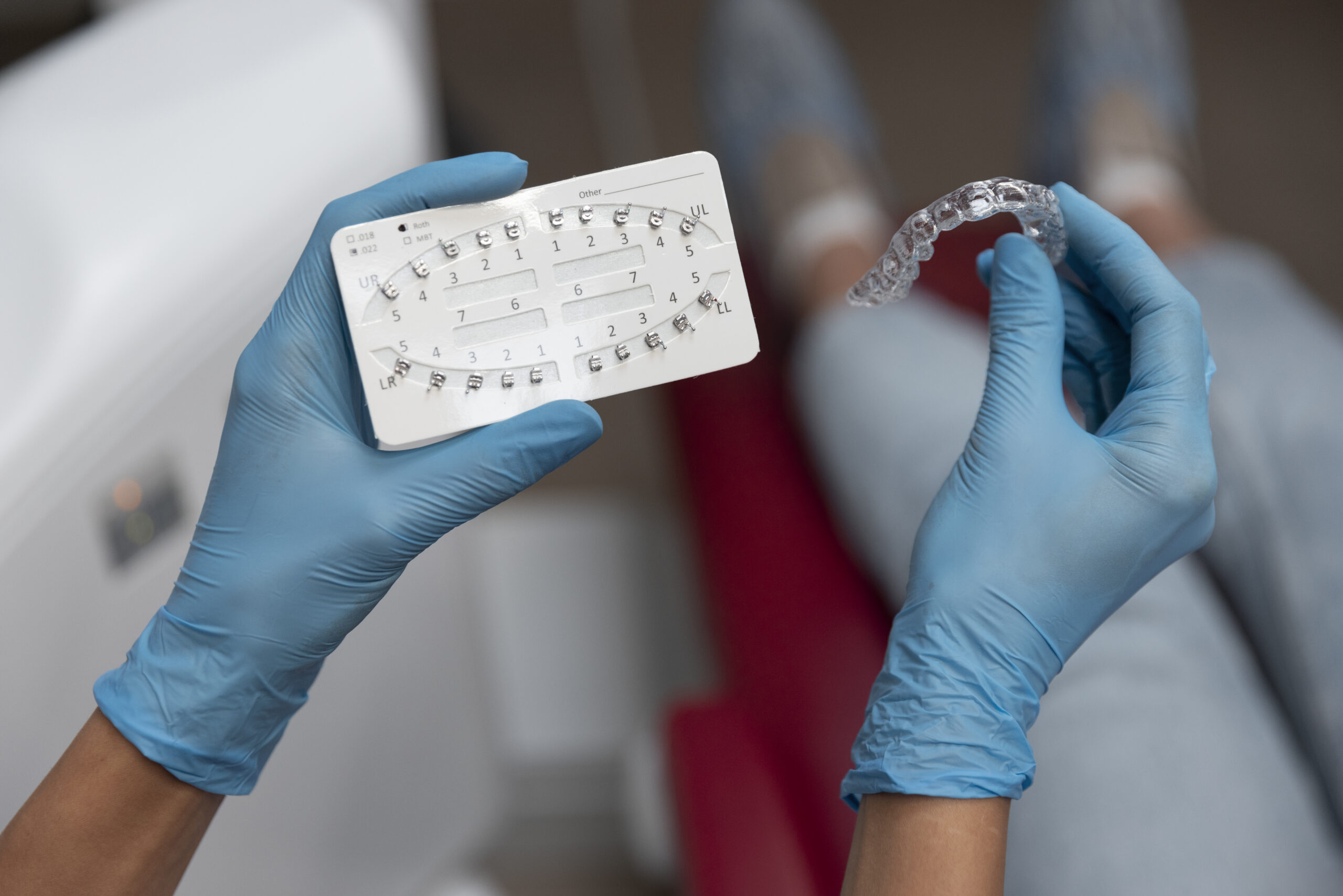
Clear orthodontics, also known as Invisalign for short, are a popular option for those who want to correct dental alignment and bite problems discreetly and effectively. Unlike traditional braces, clear aligners are made of a clear plastic material and are nearly invisible.

Invisalign treatment begins with a personalized evaluation by the orthodontist, who will create a detailed treatment plan. During treatment, the patient will wear a series of aligners that are changed every two weeks to advance the dental correction process.

Invisalign aligners are custom-made for each patient and fit comfortably over the teeth. As the aligners are changed, the teeth gradually move into their correct position. Patients must wear the aligners for at least 22 hours a day to ensure that treatment is effective.

One of the advantages of clear braces is that the aligners can be removed for eating, brushing and flossing. This means there are no dietary restrictions, and oral hygiene is easier than with traditional braces. In addition, the aligners are soft and do not irritate the gums or tongue, making them more comfortable to wear.

It is important to note that clear braces are not suitable for all patients and each case needs to be evaluated individually by an orthodontist. Patients who have more severe dental alignment or bite problems may require treatment with traditional braces.

In conclusion, clear orthodontics is an effective and discreet option for correcting dental alignment and bite problems. Invisalign clear aligners are custom-made for each patient and fit comfortably over the teeth. If you are interested in clear orthodontic treatment, it is best to consult with our orthodontist for a personalized evaluation to determine if it is the best option for your particular case.

Una mujer
El dentista

Orthodontics

Orthodontics is a branch of dentistry dedicated to the diagnosis, prevention and treatment of dental malpositions and irregularities in the mandible and jawbone. This specialty is responsible for correcting anomalies in the position of the teeth and the bony structures of the mouth in order to improve masticatory function, facial aesthetics and oral health.

Orthodontics can treat a wide variety of dental problems, such as crowded teeth, crooked teeth, excessive interdental spaces, bite problems, protruding jaws, among others. For this, the orthodontist uses different techniques and appliances, such as brackets, clear aligners, arches, elastics, palatal expanders, among others.

One of the most common orthodontic treatments are brackets, which are small pieces of metal or ceramic that are placed on each tooth and connected to an archwire. The brackets exert constant pressure on the teeth, forcing them to move gradually until they reach the correct position. The brackets are periodically adjusted by the orthodontist to keep the teeth moving in the proper direction.

Another orthodontic treatment option is clear aligners, also known as Invisalign. The aligners are clear plastic sleeves that are placed over the teeth and are changed every two weeks to adjust the position of the teeth. These appliances are removable, which facilitates oral hygiene and allows greater comfort for the patient.

In addition to improving dental and facial aesthetics, orthodontics also has important benefits for oral health. Properly aligned teeth and a proper bite are essential for the correct chewing of food and to avoid digestion problems. Also, correcting dental malpositions helps prevent the accumulation of plaque and tartar, which reduces the risk of tooth cavity, periodontal disease and other dental problems.

In short, orthodontics is a very important dental specialty that is responsible for improving the function, aesthetics and health of the mouth and teeth. If you have any dental problem, do not hesitate to consult with our orthodontist for guidance on the most appropriate treatment for you.

Adult orthodontics

Un dentista muestra un molde dental a su paciente

ADULT ORTHODONTICS

Valencia Clinic

Treatment of dental malpositions in adults can be performed at any age, only proper maintenance and treatment with lower forces and longer term is needed.

Un dentista muestra un molde dental a su paciente

Adult orthodontics, what is it?

Adult orthodontics is an increasingly popular treatment. Although many people think that orthodontics is only for children and adolescents, adults can also benefit from this treatment. Adult orthodontics focuses on correcting dental alignment and bite problems in patients who are past the stage of growth and development of the facial bones.

Adults can present a variety of dental and bite problems, such as crooked teeth, malocclusion, overbite, crossbite, among others. These problems can have negative consequences on both oral health and quality of life, such as difficulty chewing, pronunciation problems, headaches, temporomandibular joint problems, among others.

There are different orthodontic treatment options for adults, and the orthodontist will determine which is the most appropriate for each particular case. One of the most popular treatments is the use of traditional brackets, which are the same brackets used in orthodontics for children. These brackets can be made of different materials, such as metal, ceramic or sapphire, and are bonded to the surface of the teeth to correct the alignment.

Another option is the use of clear aligners, such as Invisalign. These aligners are custom-made for each patient and are nearly invisible. They are used to correct dental alignment and bite problems, and are changed every two weeks to advance treatment.

It is important to note that orthodontics for adults may take a little longer than orthodontics for children, as the facial bones are already fully developed and require a little more time to adapt to the new position of the teeth. In addition, in some cases, it is necessary to perform other dental treatments before starting orthodontic treatment, such as dental cleanings or periodontal treatments.

In conclusion, adult orthodontics is a very effective and increasingly popular treatment to correct dental alignment and bite problems in adult patients. There are different treatment options, and the orthodontist will be the one to determine which is the most appropriate for each particular case. If you are interested in orthodontic treatment for adults, it is best to consult with our orthodontist and receive a personalized evaluation.

Un dentista muestra una radiografía dental a su paciente
ortodoncia

Orthodontics

Orthodontics is a branch of dentistry dedicated to the diagnosis, prevention and treatment of dental malpositions and irregularities in the mandible and jawbone. This specialty is responsible for correcting anomalies in the position of the teeth and the bony structures of the mouth in order to improve masticatory function, facial aesthetics and oral health.

Orthodontics can treat a wide variety of dental problems, such as crowded teeth, crooked teeth, excessive interdental spaces, bite problems, protruding jaws, among others. For this, the orthodontist uses different techniques and appliances, such as brackets, clear aligners, arches, elastics, palatal expanders, among others.

One of the most common orthodontic treatments are brackets, which are small pieces of metal or ceramic that are placed on each tooth and connected to an archwire. The brackets exert constant pressure on the teeth, forcing them to move gradually until they reach the correct position. The brackets are periodically adjusted by the orthodontist to keep the teeth moving in the proper direction.

Another orthodontic treatment option is clear aligners, also known as Invisalign. The aligners are clear plastic sleeves that are placed over the teeth and are changed every two weeks to adjust the position of the teeth. These appliances are removable, which facilitates oral hygiene and allows greater comfort for the patient.

In addition to improving dental and facial aesthetics, orthodontics also has important benefits for oral health. Properly aligned teeth and a proper bite are essential for the correct chewing of food and to avoid digestion problems. Also, correcting dental malpositions helps prevent the accumulation of plaque and tartar, which reduces the risk of tooth cavity, periodontal disease and other dental problems.

In short, orthodontics is a very important dental specialty that is responsible for improving the function, aesthetics and health of the mouth and teeth. If you have any dental problem, do not hesitate to consult with our orthodontist for guidance on the most appropriate treatment for you.

Children’s orthodontics

Chico en una cita de dentista

CHILDREN’S ORTHODONTICS

Valencia Clinic

Fixed appliances or transparent or metallic brackets to achieve, in the shortest possible time, that the child’s teeth are perfectly positioned.

Chico en una cita de dentista

Children’s orthodontics, what is it?

Pediatric orthodontics is a branch of dentistry that focuses on the prevention and treatment of dental and bite problems in children. It is important to note that early detection of any dental problems in children can prevent serious problems in the future and that orthodontic treatments can be much more effective in children than in adults.

The most common problems in childhood are dental malocclusion, which refers to misalignment of the teeth and jaw and can lead to problems with chewing, breathing, speech, aesthetics and other oral health problems. These problems can be caused by genetics, sucking habits such as prolonged pacifier use or thumb sucking, mouth breathing or lack of space in the mouth.

Orthodontic treatments for children are different from those for adults, as their teeth and bones are still developing and are more malleable. In some cases, the orthodontist may suggest early intervention in childhood to correct the malocclusion, while in other cases, it is better to wait until the child is a little older before starting treatment.

Among the most common orthodontic treatments for children are fixed orthodontic appliances, such as braces, which are used to correct misalignment of the teeth and jaw. Braces are specially designed for children’s mouths and can be made of different materials, from metal to clear.

There are also other orthodontic treatments that can be applied in childhood, such as palatal expanders, which are used to widen the palate and correct crossbite, or removable appliances, such as clear aligners, which are used to correct teeth and jaw alignment problems.

It is important to note that orthodontics for children has not only aesthetic benefits, but also oral health benefits. Correct alignment of the teeth and jaw allows for better chewing and digestion of food, prevents the accumulation of bacterial plaque and prevents oral diseases such as caries and periodontal disease.

In summary, orthodontics for children is a very important treatment to prevent and correct dental and bite problems in children. If your child has any dental problems, it is important to consult an orthodontist to receive proper treatment and avoid complications in the future.

Una niña en una cita con el dentista
Un dentista mantiene los brackets de una niña

Orthodontics

Orthodontics is a branch of dentistry dedicated to the diagnosis, prevention and treatment of dental malpositions and irregularities in the mandible and jawbone. This specialty is responsible for correcting anomalies in the position of the teeth and the bony structures of the mouth in order to improve masticatory function, facial aesthetics and oral health.

Orthodontics can treat a wide variety of dental problems, such as crowded teeth, crooked teeth, excessive interdental spaces, bite problems, protruding jaws, among others. For this, the orthodontist uses different techniques and appliances, such as brackets, clear aligners, arches, elastics, palatal expanders, among others.

One of the most common orthodontic treatments are brackets, which are small pieces of metal or ceramic that are placed on each tooth and connected to an archwire. The brackets exert constant pressure on the teeth, forcing them to move gradually until they reach the correct position. The brackets are periodically adjusted by the orthodontist to keep the teeth moving in the proper direction.

Another orthodontic treatment option is clear aligners, also known as Invisalign. The aligners are clear plastic sleeves that are placed over the teeth and are changed every two weeks to adjust the position of the teeth. These appliances are removable, which facilitates oral hygiene and allows greater comfort for the patient.

In addition to improving dental and facial aesthetics, orthodontics also has important benefits for oral health. Properly aligned teeth and a proper bite are essential for the correct chewing of food and to avoid digestion problems. Also, correcting dental malpositions helps prevent the accumulation of plaque and tartar, which reduces the risk of tooth cavity, periodontal disease and other dental problems.

In short, orthodontics is a very important dental specialty that is responsible for improving the function, aesthetics and health of the mouth and teeth. If you have any dental problem, do not hesitate to consult with our orthodontist for guidance on the most appropriate treatment for you.

Periodontics

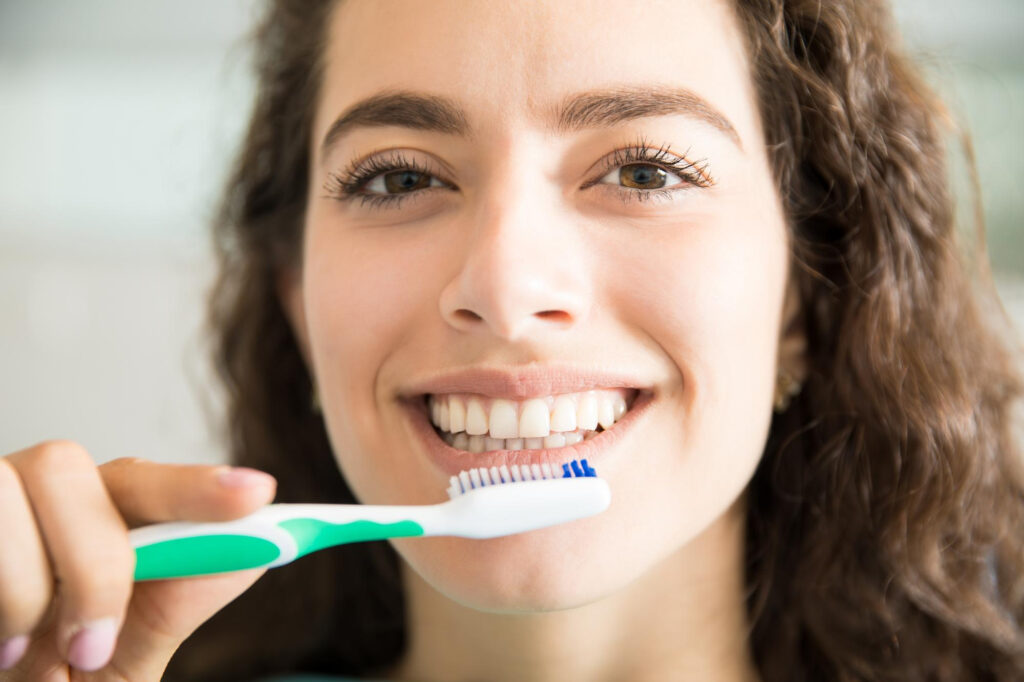
Una mujer se está cepillando los dientes

DENTAL PERIODONTICS

Valencia Clinic

Periodontics is a branch of dentistry that deals with the diagnosis, treatment and prevention of periodontal diseases, which affect the supporting structures of the teeth, such as the gums and the alveolar bone.

Una mujer se está cepillando los dientes

Dental periodontics, what is it?

Periodontal disease begins with the accumulation of bacterial plaque on the teeth and gums, which can lead to inflammation and bleeding of the gums. If left untreated, the infection can progress into the alveolar bone and lead to tooth loss.

Periodontal treatment begins with a thorough evaluation of the patient’s oral health, including a clinical and radiographic examination to assess the condition of the gums and alveolar bone. In these cases, a periodontal pocket depth measurement test is performed, which is a measure of the space depth that forms between the gum and the tooth.

The treatment of periodontal disease depends on the severity of the condition. In mild cases, treatment may consist of professional teeth cleaning to remove plaque and tartar from the surface of the teeth and gums. In more severe cases, scaling and root planing, which is a procedure that involves removing plaque and calculus from the roots of the teeth and smoothing the surfaces to prevent bacteria from accumulating, may be necessary.

In advanced cases of periodontal disease, periodontal surgery may be necessary to remove periodontal pockets and repair damaged tissues. In some cases, bone or soft tissue grafts may also be necessary to regenerate lost bone and gums.

Prevention of periodontal disease is critical to maintaining good oral health. This includes daily removal of bacterial plaque through brushing and flossing, as well as a healthy diet and elimination of smoking.

In summary, periodontics is an important branch of dentistry that deals with the diagnosis, treatment and prevention of periodontal diseases. Proper treatment and prevention can help maintain good oral health and prevent tooth loss. It is important to visit the dentist regularly for checkups and periodontal treatment if necessary.

Most people will need periodontal treatment. There are very simple treatments, with minimal intervention by the specialized dentist and others more extensive, with access surgeries and surgeries to correct esthetic defects.

Un dentista hace una cita de rutina
Un dentiste opère un patient

Treatment

Most people will need periodontal treatment. There are very simple treatments, with minimal intervention by the specialized dentist and others more extensive, with access surgeries and surgeries to correct esthetic defects.

Dental hygiene

Clínica Llobell responds to the periodontal maintenance needs of patients, seeing them every three, four, six months, or annually, lasting one hour and reviewed by the doctors at the end of the appointment.

Periodontal surgery

Treatment of the roots and tissues around the tooth by flap access. The purpose of these surgeries is to achieve a starting situation, from where the dentition can be maintained by the hygienists and by the patient at home.

Dental crowns in Valencia

Un dentista realiza una operación en un paciente

DENTAL CROWNS

Valencia Clinic

A dental crown is used to cover a damaged tooth. It can be used to improve the appearance, shape or alignment of the tooth or placed over an implant to achieve the shape and functional structure of a tooth.

Un dentista realiza una operación en un paciente

Dental crowns, what are they?

Dental crowns, also known as “caps”, are a common type of dental prosthesis used to cover and protect a damaged or weakened tooth. Crowns can help improve the appearance and function of the mouth, and can prevent additional dental problems in the future.

A dental crown consists of a piece of metal, ceramic or porcelain that fits over a natural tooth to completely cover it. Crowns may be necessary to treat a variety of dental problems, such as advanced tooth caries, tooth fractures, excessive tooth wear, or discolored or misshapen teeth.

The process of placing a dental crown usually begins with the preparation of the natural tooth. The dentist will remove a small amount of enamel from the surface of the tooth to allow for the placement of the crown. Impressions are then taken of the tooth prepared for the crown, which are used to create a custom model of the mouth. The model is sent to a dental laboratory where the crown is fabricated.

Once the crown has been fabricated, the dentist will place it on the natural tooth and adjust it to make sure it fits properly in the mouth. Finally, the crown will be fixed in place using dental cement.

There are several different types of dental crowns available, including metal crowns, porcelain crowns and ceramic crowns. Dentists can recommend the most appropriate type of crown for each individual case.

It is important to properly care for a dental crown to keep it in good condition. This includes daily brushing and flossing, as well as regular visits to the dentist for checkups and professional cleanings.

In conclusion, dental crowns are an effective way to protect and restore damaged or weakened teeth. The process of placing a crown is relatively simple and convenient, and patients can choose from a variety of crown options. If you think you may need a dental crown, contact us to learn more about the treatment options available.

Un paciente recibe un procedimiento dental
Un paciente que recibió tratamiento en el dentista

Conservative Dentistry

Conservative dentistry is a branch of dentistry that focuses on the prevention, diagnosis and treatment of early dental disease to avoid the need for more invasive procedures in the future. The primary goal of conservative dentistry is to preserve natural tooth structure and promote long-term oral health.

Prevention is a key component of conservative dentistry. We dentists encourage proper oral hygiene, including daily brushing and flossing, as well as regular visits to the dental office for a professional cleaning and dental exam. In addition, we can offer personalized advice on how to maintain a balanced diet and avoid foods and beverages that can damage teeth, such as soft drinks and sweets.

Early diagnosis is another important aspect of conservative dentistry. Treatment at this early stage can be simple and less invasive, and can avoid the need for more complex and costly treatment in the future. At Clinica Llobell we can offer you the most current technology in radiodiagnostics for your best treatment.

Conservative dentistry treatment focuses on preserving natural tooth structure. This includes the removal of damaged or diseased dental tissue, and the replacement of this tissue with high quality dental materials, such as composite resins. Within these, you should know that there are different qualities. Clínica Llobell only uses proven materials and AAA quality.

Conservative dentistry is an important part of modern dentistry, and its focus on prevention and early treatment can help patients maintain a healthy and beautiful smile in the long term.

Dental bridges in Valencia

Un dentista muestra un yeso dental a su paciente

DENTAL BRIDGES

Valencia Clinic

Dental bridges are a common type of dental prosthesis used to replace one or more missing teeth. A dental bridge can help improve the appearance and function of the mouth, and can prevent additional dental problems in the future. Bridges are typically used to cover the space where one or more teeth are missing. They are cemented to natural teeth or implants around the space left by the missing tooth.

Un dentista muestra un yeso dental a su paciente

Dental bridges, what are they?

A fixed bridge consists of two main parts: the crowns and the pontic. Crowns are metal or ceramic pieces that fit over the natural teeth on either side of the missing teeth in the mouth. The pontic is a piece that fits in the space between the teeth, restoring the shape.

The process of placing a dental bridge usually begins with the preparation of the natural teeth that are on either side of the missing tooth. The dentist will remove a small amount of enamel from these teeth to allow for the crowns to be placed. Impressions are then taken of the teeth prepared for the bridge, which are used to create a custom model of the mouth. The model is sent to a dental laboratory where the bridge is fabricated.

Once the bridge has been fabricated, we will place the crowns over the prepared teeth and adjust the bridge to make sure it fits properly in the mouth. Finally, the bridge will be fixed in place using dental cement.

There are several different types of dental bridges available, including fixed and removable bridges. Fixed bridges are permanently attached to the natural teeth, while removable bridges can be removed for cleaning and maintenance. Dentists can recommend the most appropriate type of bridge for each individual case.

It is important to take proper care of a dental bridge to keep it in good condition. This includes daily brushing and flossing, as well as regular visits to the dentist for checkups and professional cleanings. It is also recommended to avoid chewing gum, and try to limit dental clenching.

In conclusion, dental bridges are an effective way to replace one or more missing teeth. The process of placing a bridge is relatively simple and comfortable, and patients can choose from a variety of bridge options. If you think you may need a dental bridge, contact us to learn more about the treatment options available.

Un dentista y su asistente realizan un tratamiento dental
Una paciente se enjuaga la boca en una clínica dental

Conservative Dentistry

Conservative dentistry is a branch of dentistry that focuses on the prevention, diagnosis and treatment of early dental disease to avoid the need for more invasive procedures in the future. The primary goal of conservative dentistry is to preserve natural tooth structure and promote long-term oral health.

Prevention is a key component of conservative dentistry. We dentists encourage proper oral hygiene, including daily brushing and flossing, as well as regular visits to the dental office for a professional cleaning and dental exam. In addition, we can offer personalized advice on how to maintain a balanced diet and avoid foods and beverages that can damage teeth, such as soft drinks and sweets.

Early diagnosis is another important aspect of conservative dentistry. Treatment at this early stage can be simple and less invasive, and can avoid the need for more complex and costly treatment in the future. At Clinica Llobell we can offer you the most current technology in radiodiagnostics for your best treatment.

Conservative dentistry treatment focuses on preserving natural tooth structure. This includes the removal of damaged or diseased dental tissue, and the replacement of this tissue with high quality dental materials, such as composite resins. Within these, you should know that there are different qualities. Clínica Llobell only uses proven materials and AAA quality.

Conservative dentistry is an important part of modern dentistry, and its focus on prevention and early treatment can help patients maintain a healthy and beautiful smile in the long term.

Dental fillings in Valencia

Un dentista aplica luz ultravioleta a los dientes de un paciente

DENTAL FILLINGS

Valencia Clinic

Dental filling or obturation techniques consist of cleaning the cavity created by caries and filling it with resin to restore the original appearance of the tooth.

Un dentista aplica luz ultravioleta a los dientes de un paciente

Dental fillings. What are they?

Dental fillings are a common form of treatment in conservative dentistry to repair teeth damaged by cavities or other injuries. Today’s fillings can help preserve natural tooth structure and avoid the need for more invasive procedures.

A dental filling is a technique in which a dentist fills a tooth cavity with a dental material to restore the tooth’s form and function. Materials currently used for dental fillings include composite resins and ceramics.

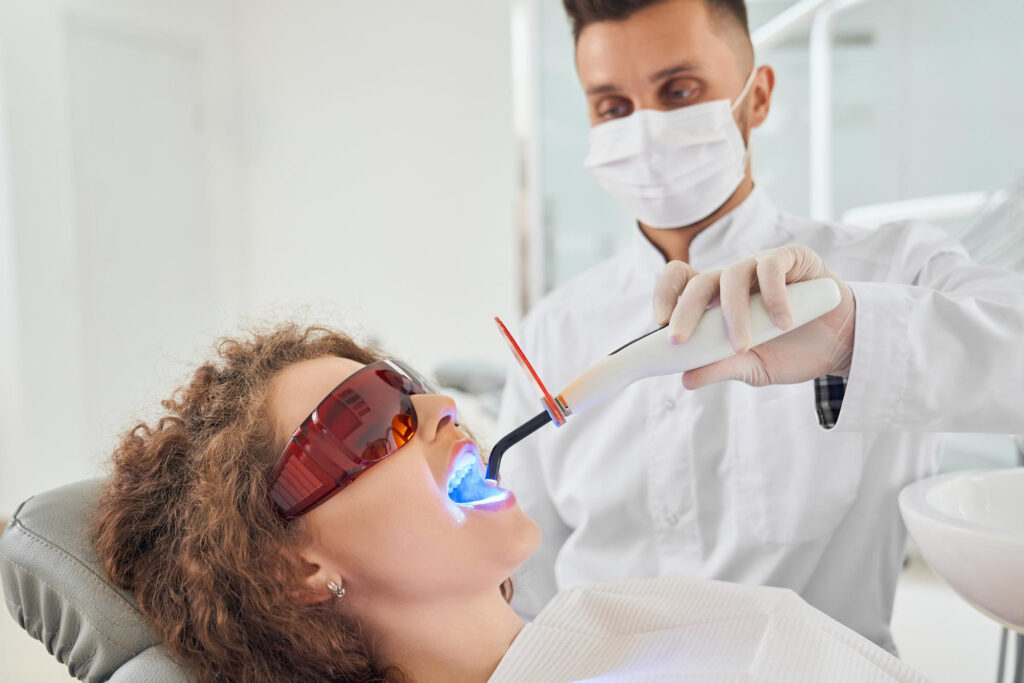
The process of placing a dental filling usually begins with the application of local anesthesia to numb the area of the tooth to be treated. The dentist then uses a dental instrument to remove the damaged tooth tissue and prepare the cavity for the filling. After placing, in many cases, an insulating material, the filling material is placed in the cavity, shaped and smoothed to fit the tooth perfectly. The filling is hardened and fixed in place with a special curing light.

After the procedure, it is normal to feel some sensitivity or discomfort in the treated area. This usually disappears after a few days and can be relieved with over-the-counter pain relievers if necessary. It is important to maintain good oral hygiene, including daily brushing and flossing, to avoid plaque buildup around the filling and prevent future caries.

In conclusion, dental fillings are an effective and common form of treatment to repair teeth damaged by cavities or other injuries.

Un dentista revisa una radiografía dental
Un dentista muestra a su paciente lo que ha logrado

Conservative Dentistry

Conservative dentistry is a branch of dentistry that focuses on the prevention, diagnosis and treatment of early dental disease to avoid the need for more invasive procedures in the future. The primary goal of conservative dentistry is to preserve natural tooth structure and promote long-term oral health.

Prevention is a key component of conservative dentistry. We dentists encourage proper oral hygiene, including daily brushing and flossing, as well as regular visits to the dental office for a professional cleaning and dental exam. In addition, we can offer personalized advice on how to maintain a balanced diet and avoid foods and beverages that can damage teeth, such as soft drinks and sweets.

Early diagnosis is another important aspect of conservative dentistry. Treatment at this early stage can be simple and less invasive, and can avoid the need for more complex and costly treatment in the future. At Clinica Llobell we can offer you the most current technology in radiodiagnostics for your best treatment.

Conservative dentistry treatment focuses on preserving natural tooth structure. This includes the removal of damaged or diseased dental tissue, and the replacement of this tissue with high quality dental materials, such as composite resins. Within these, you should know that there are different qualities. Clínica Llobell only uses proven materials and AAA quality.

Conservative dentistry is an important part of modern dentistry, and its focus on prevention and early treatment can help patients maintain a healthy and beautiful smile in the long term.