



Dentistry has changed significantly in recent years. In many ways, it is fortunate to be practising in this era.
Today, we see in clinic generations that have grown up with more information, greater prevention and better access to high-quality dental care. Many younger patients are the children of people who have already undergone orthodontic treatment, attended the dentist more regularly and received better education in oral hygiene.
In the past, it was common to see mouths with extensive decay, missing teeth, advanced gum disease or cases that presented too late for optimal intervention. Today, more and more patients seek care earlier, attend check-ups more regularly, have fewer cavities and aim not only to solve problems, but to maintain a healthy, functional and aesthetic mouth for many years.
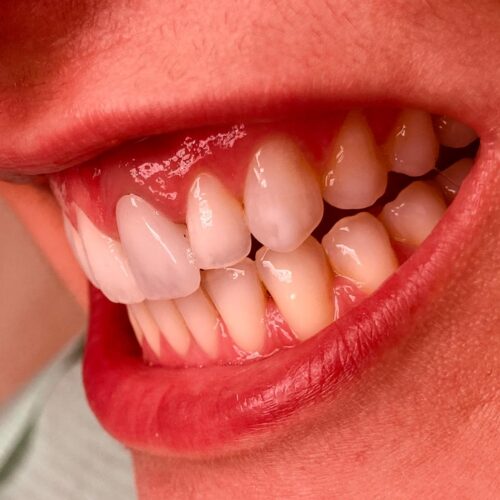
Less invasive because we intervene earlier
Modern dentistry is less invasive because, in many cases, we no longer need to wait for problems to become advanced.
When patients attend regular check-ups, we can detect early-stage decay, control gum inflammation before it progresses, or correct dental misalignment before it has a greater impact on the bite.
This allows us to carry out smaller, more precise and more conservative treatments that better preserve the natural tooth.
Today, the goal is not to “do more”, but to do what is necessary at the right time.
“It is fortunate to be living in this era. The younger generations are the children of people who already had access to high-quality dentistry, who have undergone orthodontic treatment and received good dental education.
How does this affect our work? Our patients have very few cavities, they seek early care, they want straight teeth, and they understand the importance of periodontal care.”
Dr. Andrés Llobell
The value of preserving natural teeth
At Clínica Llobell, we strongly emphasise one key principle: natural teeth should be preserved whenever possible.
A dental implant can be an excellent solution when a tooth can no longer be maintained, but it should not be the first option if a conservative alternative with a good prognosis is still available.
A natural tooth has sensitivity, a periodontal ligament, biological adaptability and a relationship with the bone that no implant can fully replicate. For this reason, if we can keep it healthy, functional and stable, it is worth doing so.
Modern dentistry should not be based on rapidly replacing teeth, but on preserving them for as long as possible.
“It is well established that we should make maximum use of our natural teeth, and that implants are intended for when they fail, although many people do manage to retain their teeth for life. Our work is more focused on aesthetic prosthodontics, orthodontics to improve occlusion and smile aesthetics, and periodontal prevention.”
Dr. Andrés Llobell
Fewer implants, better planning
For many years, implant dentistry has been one of the major advances in dentistry. Thanks to implants, many patients have regained function, aesthetics and quality of life.
However, it is also important to understand that not everything should be solved with implants.
We are increasingly placing emphasis on assessing the full case: the patient’s age, the condition of their teeth, available bone, bite, oral hygiene, gum health, and the options we can keep open for the future.
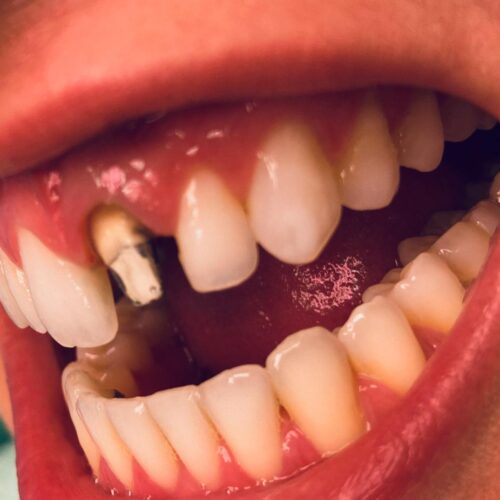
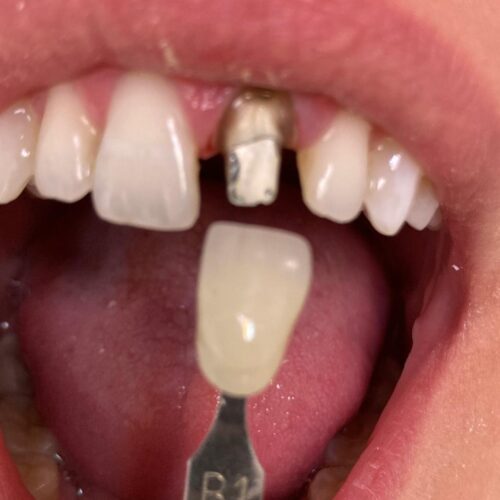
In younger patients in particular, this approach is essential. Placing implants too early can limit future treatment options. For this reason, when it is possible to use natural teeth as support for a fixed restoration, such as a well-planned crown or bridge, this is often the more prudent option.
More aesthetic, but without compromising health
Modern dentistry is also more aesthetically driven. However, good dental aesthetics does not consist of creating artificial-looking smiles or replacing all teeth unnecessarily.
Well-understood aesthetics aim for harmony, naturalness and balance.
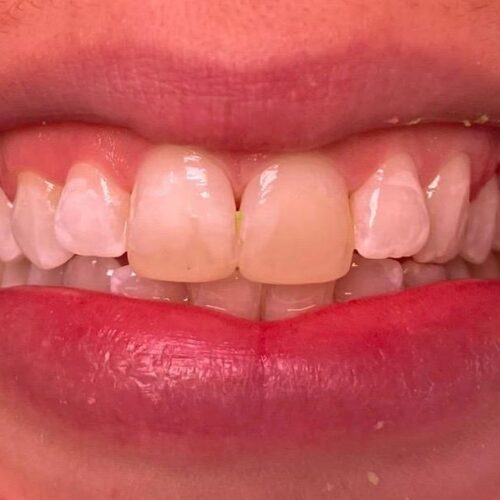
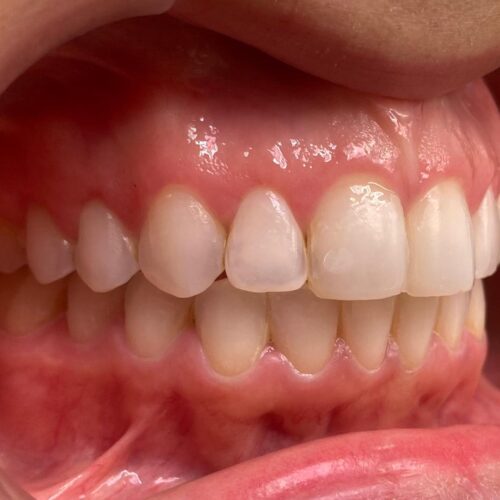
Treatments such as teeth whitening, porcelain veneers, single porcelain crowns or minor aesthetic restorations allow us to enhance the smile in a very precise way, often through targeted, minimally invasive procedures.
Today, many patients do not require extensive rehabilitation. They need small, well-executed adjustments: improving colour, correcting shape, closing spaces, aligning teeth or restoring a damaged tooth without altering the rest of the mouth.
“Examples of our work include teeth whitening, porcelain veneers and single porcelain crowns—highly specialised treatments for patients who require only targeted, minimally invasive interventions.”
Dr. Andrés Llobell
Orthodontics for a better smile and a better bite
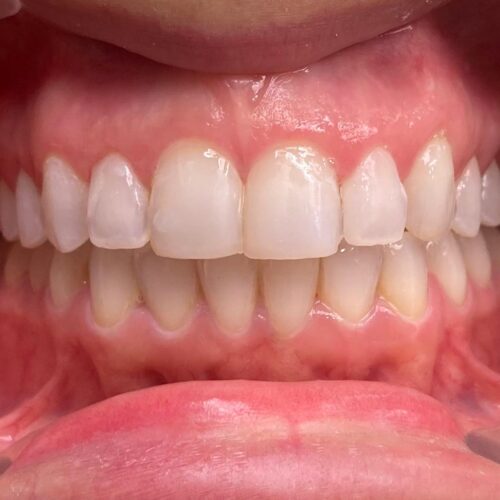
Orthodontics has also changed significantly.
It is no longer understood solely as a treatment for teenagers, nor simply as a way of straightening teeth. Today, we know that good orthodontic treatment can improve the bite, make oral hygiene easier, protect teeth from wear, and create a more balanced smile.
Clear aligners, braces and modern treatment planning techniques allow us to tailor treatment to each patient. However, once again, the most important factor is not the technique itself, but the diagnosis.
A beautiful mouth must also be a functional one.
Periodontal prevention: key to the future
Another major shift has been the importance we place on gum health.
For a long time, many patients only visited the dentist when they were in pain. Today, more and more people understand that periodontal health is essential for maintaining their teeth.
Gum inflammation, bleeding or bone loss should not be considered normal. These are warning signs that should be assessed and treated as early as possible.
Periodontal prevention helps to avoid more serious problems, improves tooth stability and is also essential in patients with dental implants.
A more intelligent approach to dentistry
Modern dentistry is more aesthetic, yes. But above all, it should be more intelligent.
More conservative when teeth can be preserved.
More preventive when we can anticipate problems.
More aesthetic when the patient wishes to improve their smile.
And more restorative when function truly needs to be rebuilt.
At Clínica Llobell, we offer a range of dental treatments to support patients at every stage: prevention, orthodontics, aesthetic dentistry, prosthetics, periodontics, implantology and oral rehabilitation.
Our aim is not to carry out unnecessary treatments, but to help each patient maintain a healthy, attractive and functional smile for as long as possible.
“At Clínica Llobell, we offer a full range of treatments to help you maintain an optimal smile at all times.”
Dr. Andrés Llobell