

Category Archives: Tratamientos

Dental veneers in Valencia

Carillas dentales

DENTAL VENEERS

Valencia Clinic

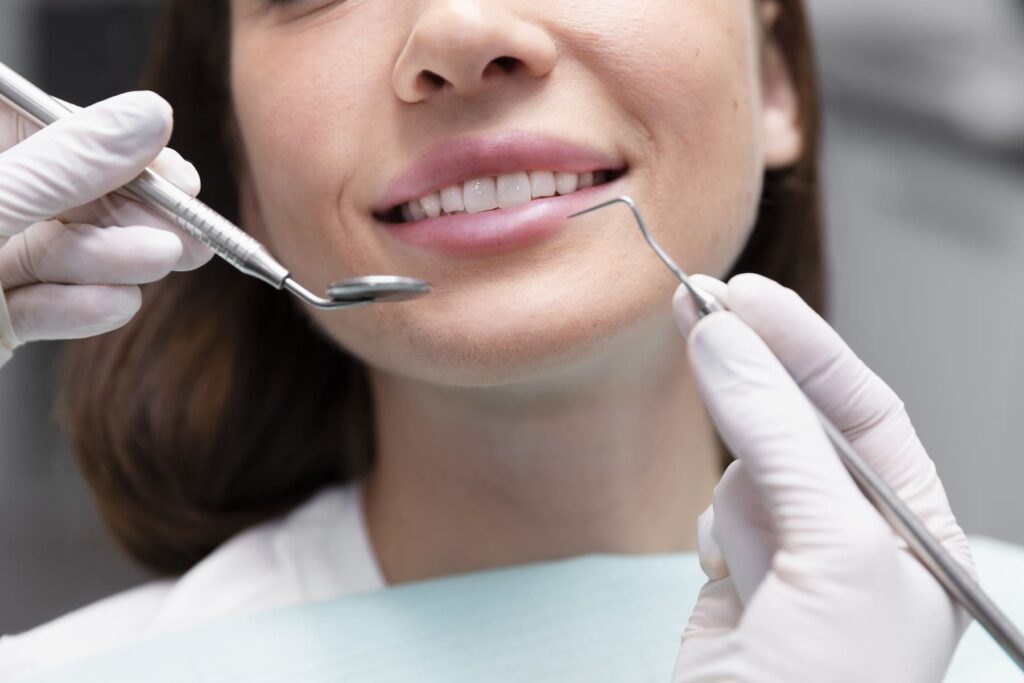
Dental veneers are a cosmetic dentistry technique that refers to a series of procedures and treatments performed on the teeth and mouth to improve their appearance. Cosmetic dentistry not only seeks to improve the appearance of the teeth, but also to improve the health and functionality of the mouth.

In addition to dental veneers, cosmetic dentistry can include procedures such as teeth whitening, dental crowns, dental implants, orthodontics and more. Each of these procedures has its own function and is used to address different aesthetic and functional problems in the mouth.

Dental veneers

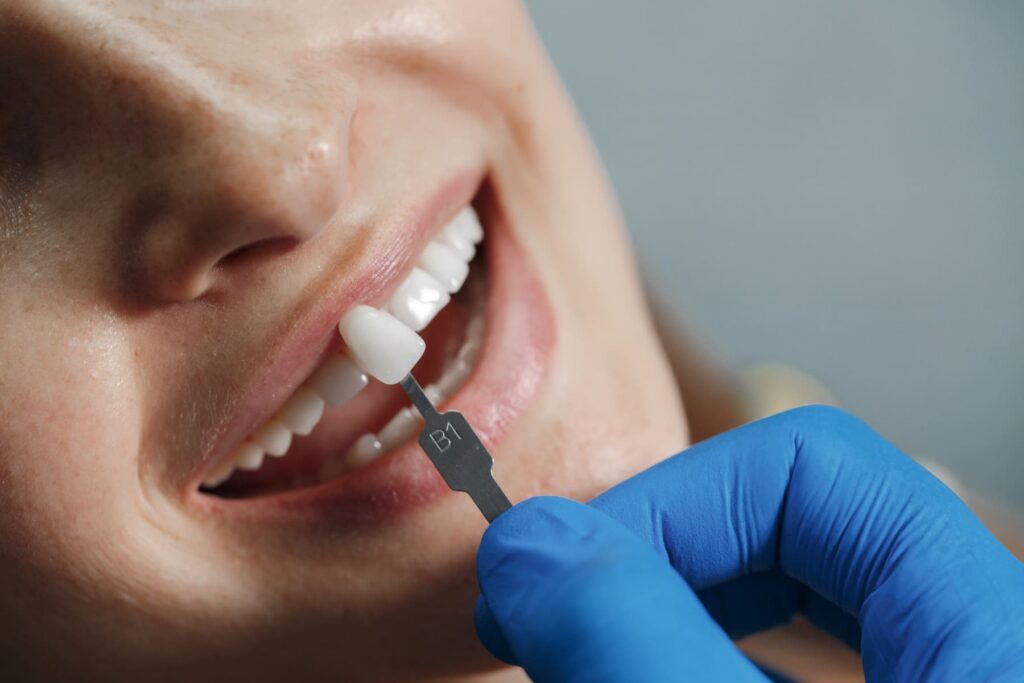
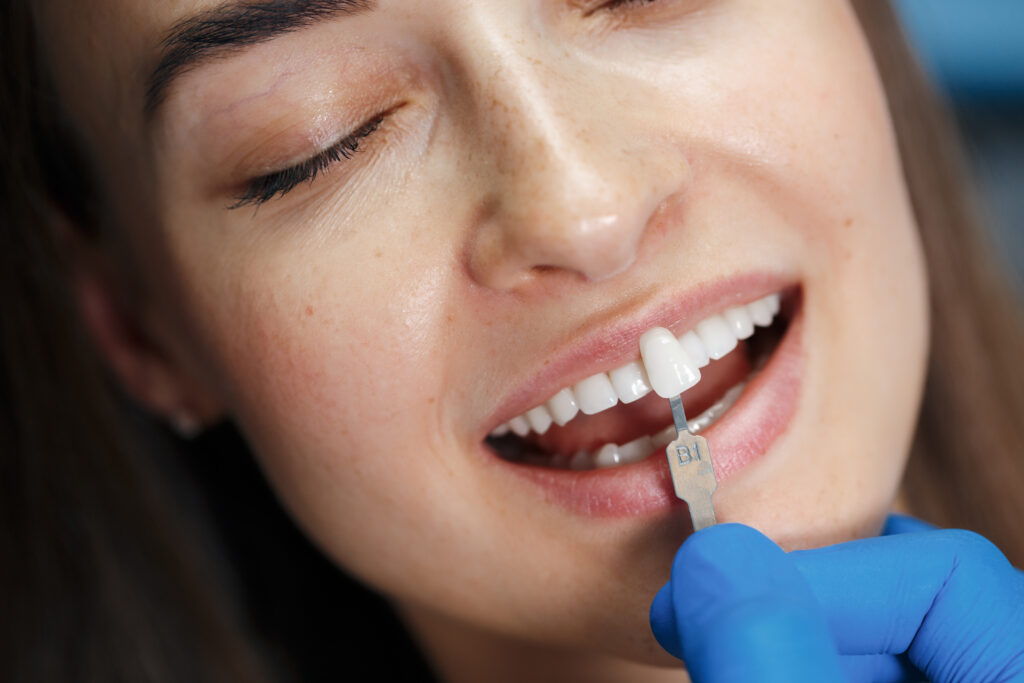
Veneers modify the esthetic front of teeth, using materials that perfectly mimic the shape and color of natural teeth.

Dental veneers are a thin layer of porcelain or composite resin that is bonded to the surface of the tooth to improve its appearance. Dental veneers are used to correct a variety of dental problems, such as discolored, misshapen, fractured or gapped teeth. In our clinic we work only with ceramic veneers, considering that they give better results. They are performed mainly in teeth with microdontia or teeth with an average color, in darkened teeth the full crown is always of choice.
carillas dentales
Carillas dentales

Implant prosthesis in Valencia

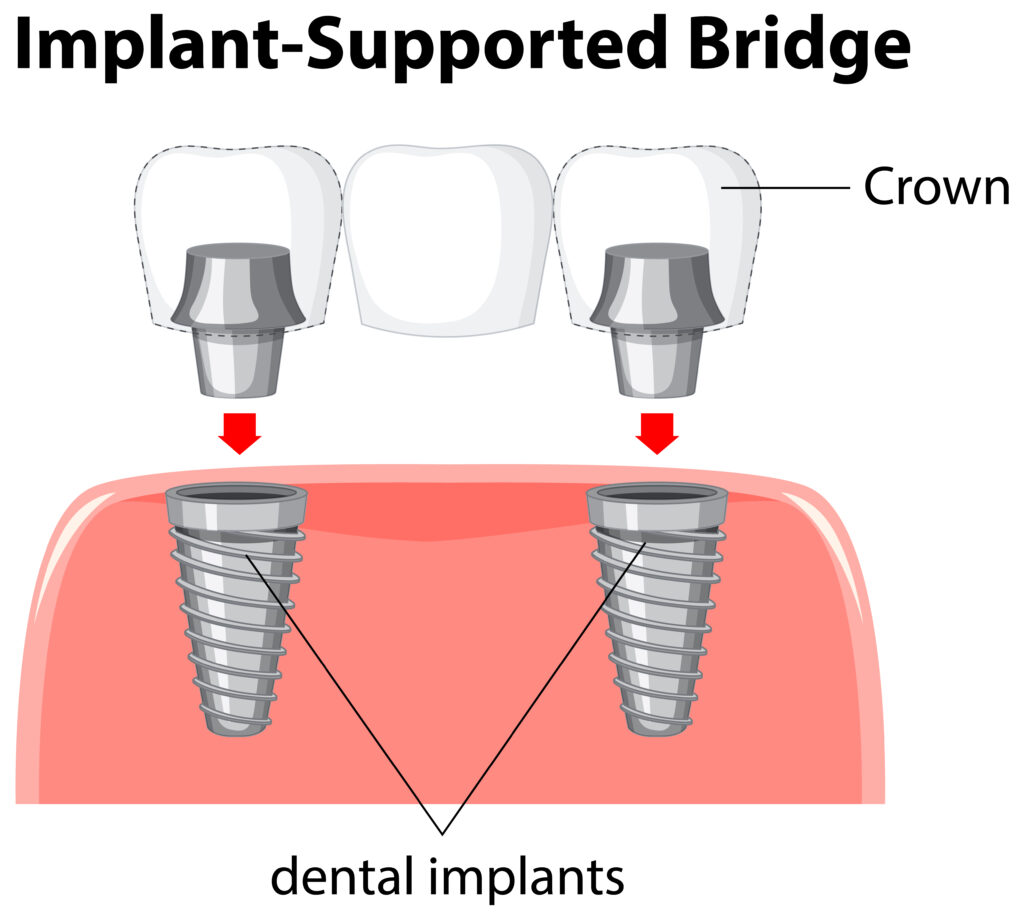
Infografía puente dental

Implant prosthesis

Pioneers in Valencia

By means of four implants placed in the anterior part, we place a fixed porcelain prosthesis in the anterior part and removable without clasps in the posterior part, or completely fixed on implants.

Prosthesis on implants: Partial Denture

The combined prosthesis on implants is a treatment option used when several teeth have been lost in the same area of the mouth. This technique consists of using dental implants to replace the roots of the missing teeth, and then placing a dental prosthesis that rests on the implants to replace the missing teeth.

In most cases, two or more dental implants are used to support the combined prosthesis. The implants are inserted into the bone of the jaw or maxilla, and then integrate with the bone over time in a process called osseointegration. Once the implants have fully integrated with the bone, the dental prosthesis is placed on top of them.

Combined implant-supported dentures can be an excellent option for those who have lost several teeth in the same area of the mouth, as they can provide a similar appearance and function to natural teeth. It is also a more durable and stable option than removable dentures, as the implants provide a solid and stable foundation for the denture.

There are several different types of implant-supported combined dentures, including fixed dentures and removable dentures. Fixed prostheses are permanently attached to the implants and cannot be removed without the help of a dentist. Removable prostheses, on the other hand, are attached to the implants by a clamping system and can be removed for cleaning and maintenance.

Prosthesis on implants: Full denture

For all denture wearers it is a very important functional change. It consists of the placement of a lower denture connected to three implants that guarantees a great improvement in the patient’s quality of life.

Dentures are dental prostheses used to replace missing teeth and restore chewing function and esthetics of the mouth. They are made of strong, durable materials, such as resin or acrylic, and can be removable or fixed.

Removable dentures are the most common and are used when the patient has lost all or most of his or her teeth. These dentures are attached to the mouth by a plastic base that fits over the gum and jawbone. They may also have clasps that attach to the remaining natural teeth to ensure stability.

On the other hand, fixed dentures are more expensive and require a surgical procedure for placement. These prostheses are anchored to the jawbone by screws or dental implants and cannot be removed by the patient. Although they are more stable and comfortable than removable dentures, they require more rigorous maintenance and good oral hygiene to prevent infection.

In addition to restoring chewing function and esthetics of the mouth, dentures can also improve pronunciation and quality of life for people who have lost their teeth. However, their use requires a period of adaptation, as they can affect the sensation and ability to perceive food flavors.

It is important to note that dentures require special care to prolong their useful life. They should be cleaned daily with soft toothbrushes and non-abrasive toothpastes to avoid damaging the surface of the prosthesis. In addition, it is important to visit the dentist regularly to adjust the denture and detect any oral problems or diseases early.

In summary, dentures are an excellent option for restoring chewing function and esthetics of the mouth in people who have lost their teeth. Although they require a period of adaptation and special care, they can significantly improve the quality of life of people who wear them.

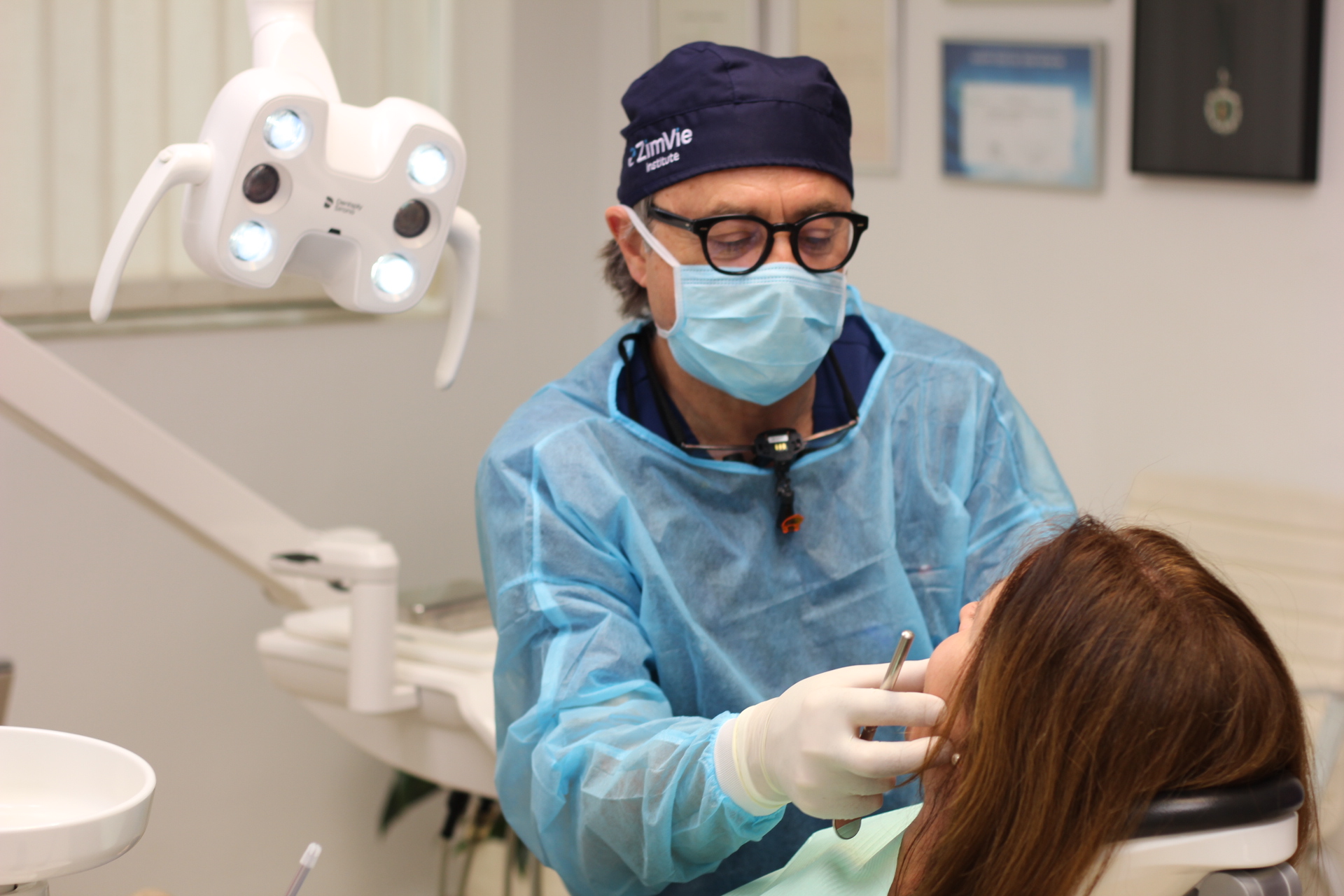
Doctor Andrés Llobell con paciente
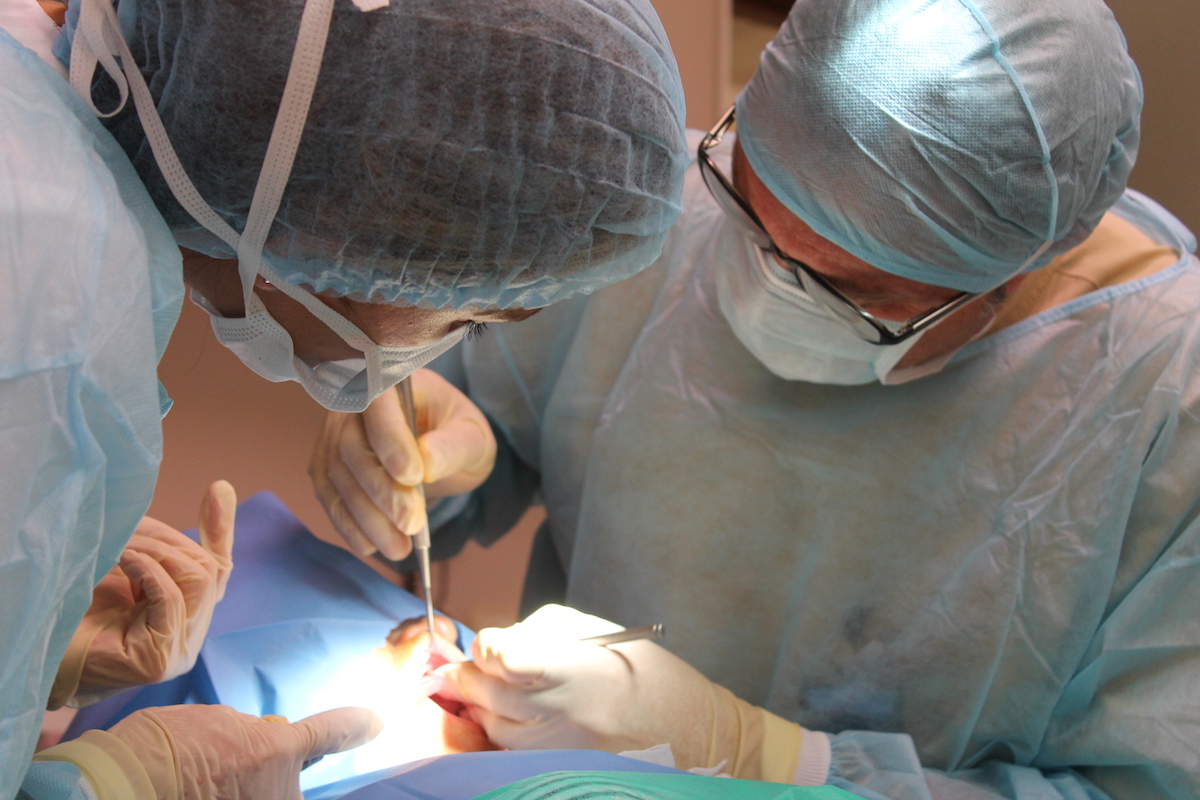
Cirugía dental en Clínica Llobell
Gabinete médico clínica Llobell

Fixed dental IMPLANTS

Dental implants. What are they?

Dental implants and dentures are two common options for replacing missing or damaged teeth. Each has its own advantages and disadvantages, and it is important to know the differences between the two to make the most appropriate decision for each individual case.

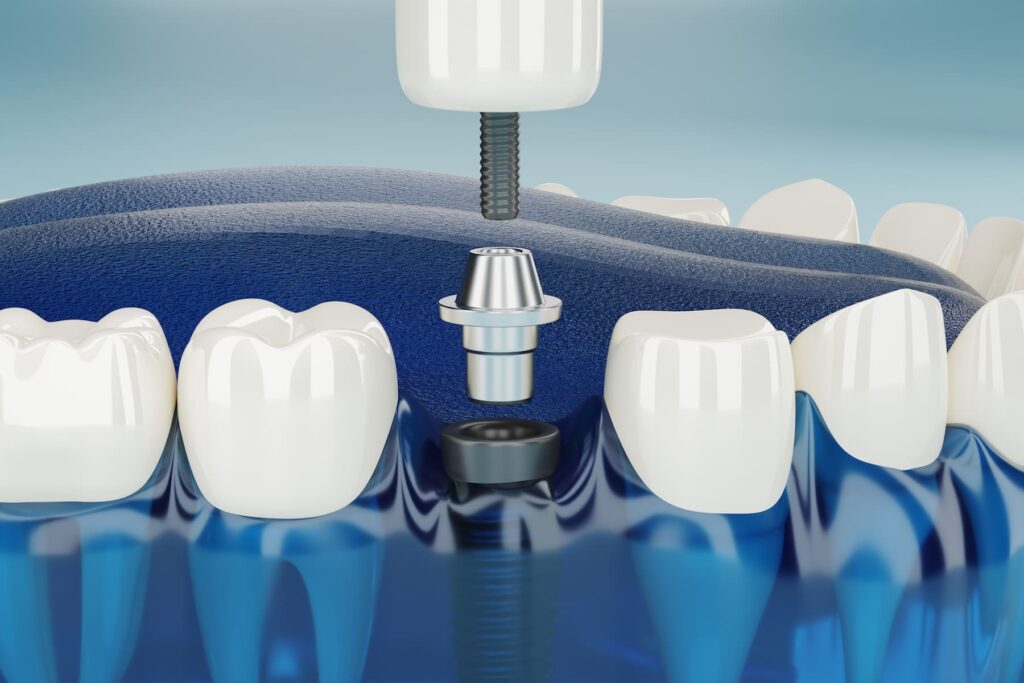
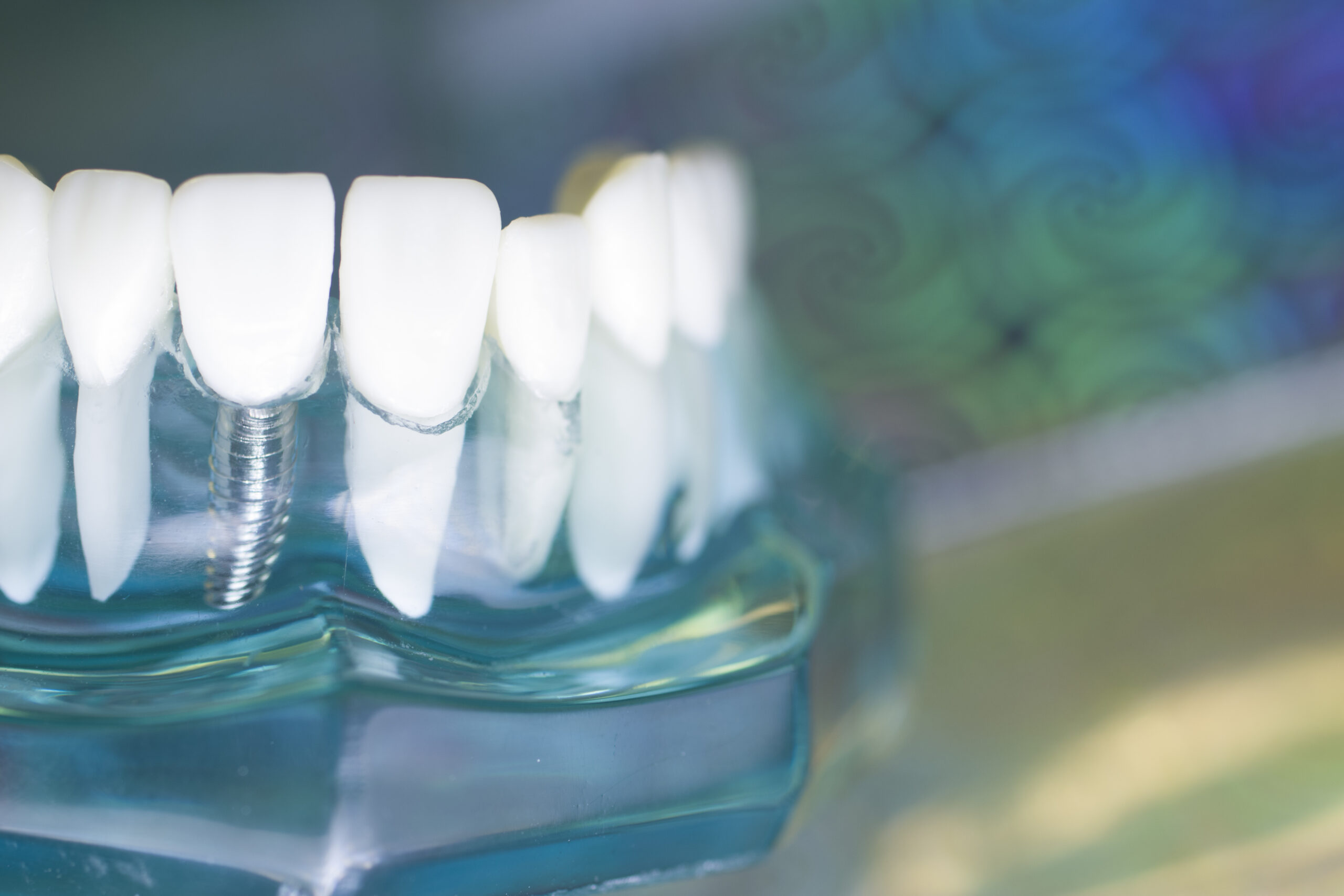
Dental implants are devices that are inserted into the bone of the jaw or maxilla to replace the root of the missing tooth. They are made of titanium or other biocompatible materials that integrate with the bone over time. Once the implant has integrated with the bone, a dental crown is placed on top of the implant to function like a natural tooth. Dental implants are an excellent option for those who want a permanent, long-lasting solution to replace one or more teeth.

Dentures, on the other hand, are removable devices used to replace several teeth or the entire denture. They are made of materials such as acrylic, resin and metal, and are fitted to the patient’s gum using a fastening system. Dentures can be partial or complete, and can be a more affordable and less invasive option for replacing teeth than dental implants.

Both options have advantages and disadvantages. Dental implants offer greater stability and durability, and can help prevent bone loss in the mandible or maxilla. However, they require surgery and a period of healing time before the dental crown can be placed on top of the implant. On the other hand, dentures are a more affordable and less invasive option, but may not be as stable and durable as dental implants.

In general, the choice between dental implants and dentures will depend on several factors, such as budget, the patient’s dental health and individual preferences. It is important to discuss the options with a dentist or dental implant specialist to determine which option is best for each individual case.

Dental implants Valencia

Implantes dentales

IMPLANTOLOGY

Pioneers in Valencia

At Clínica Llobell we are experts in implantology. Since 1934 we offer a high-end service for patients who prioritize the quality of treatment and the professionalism of the dentist.

The experience and professionalism of Dr. Andres Llobell, the quality of service and commitment to results are our best letter of introduction.

Dental implants. What are they?

Dental implants and dentures are two common options for replacing missing or damaged teeth. Each has its own advantages and disadvantages, and it is important to know the differences between the two to make the most appropriate decision for each individual case.

Dental implants are devices that are inserted into the bone of the jaw or maxilla to replace the root of the missing tooth. They are made of titanium or other biocompatible materials that integrate with the bone over time. Once the implant has integrated with the bone, a dental crown is placed on top of the implant to function like a natural tooth. Dental implants are an excellent option for those who want a permanent, long-lasting solution to replace one or more teeth.

Dentures, on the other hand, are removable devices used to replace several teeth or the entire denture. They are made of materials such as acrylic, resin and metal, and are fitted to the patient’s gum using a fastening system. Dentures can be partial or complete, and can be a more affordable and less invasive option for replacing teeth than dental implants.

Both options have advantages and disadvantages. Dental implants offer greater stability and durability, and can help prevent bone loss in the mandible or maxilla. However, they require surgery and a period of healing time before the dental crown can be placed on top of the implant. On the other hand, dentures are a more affordable and less invasive option, but may not be as stable and durable as dental implants.

In general, the choice between dental implants and dentures will depend on several factors, such as budget, the patient’s dental health and individual preferences. It is important to discuss the options with a dentist or dental implant specialist to determine which option is best for each individual case.

Fixed dental IMPLANTS

Doctor Andrés Llobell con paciente
Cirugía dental en Clínica Llobell
Gabinete médico clínica Llobell

Fixed dental implants

Fixed dental implants are an excellent option for those seeking a permanent, long-lasting solution to replace one or more teeth. Unlike removable dentures, fixed dental implants are integrated directly into the bone of the mandible or maxilla, and provide a solid and stable base to place the dental crown.

Fixed dental implants are made of biocompatible materials such as titanium, which integrates with the jawbone over time in a process called osseointegration. Once the implant has fully integrated with the bone, a dental crown is placed on top of the implant that functions like a natural tooth. The dental crown is designed to perfectly match the shape and size of the implant, providing an appearance and functionality similar to natural teeth.

Fixed dental implants offer several advantages over other tooth replacement options. They are very durable and can last for many years, even decades, with proper dental care. They are also very stable and solid, which means they do not move or slip when speaking or eating. In addition, fixed dental implants do not affect adjacent teeth, as do removable dentures, which can put pressure on neighboring teeth and cause damage.

However, fixed dental implants also have some disadvantages to consider. The process of placing fixed dental implants requires surgery and significant healing time before the dental crown can be placed on top of the implant. They can also be more expensive than other tooth replacement options, especially if multiple implants are needed.

In summary, fixed dental implants are an excellent option for those seeking a permanent, long-lasting solution to replace one or more teeth. While they can be more expensive and require a longer process than other tooth replacement options, they offer similar appearance and function to natural teeth and can last for many years with proper dental care.