

Category Archives: Articles

Clear Aligners: Are they suitable for everyone?

Clear aligners: are they suitable for everyone?

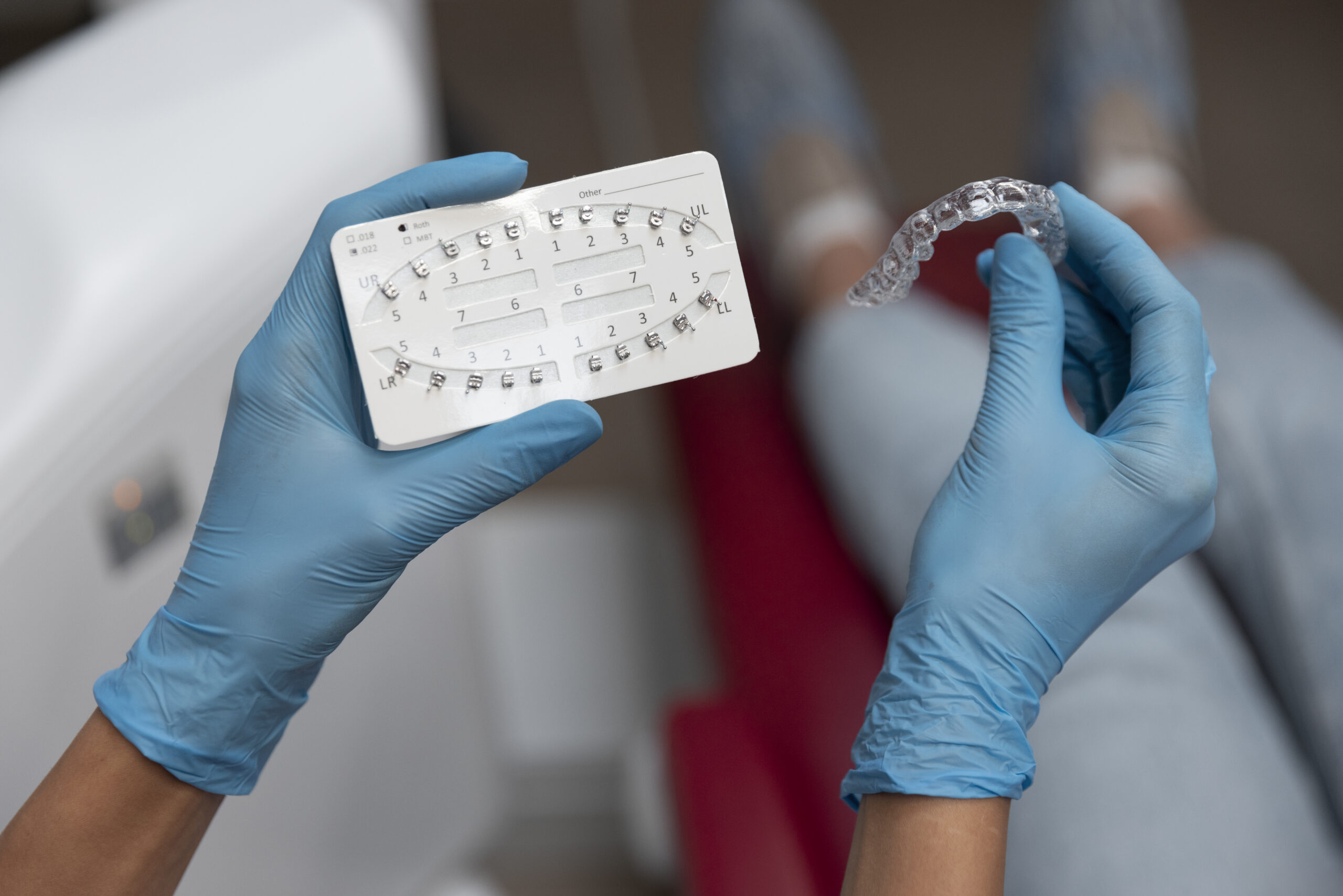
Clear dental aligners have become one of the most in-demand options in modern orthodontics. They are discreet, comfortable, removable, and allow many types of dental misalignment to be corrected without the need for visible braces.

But an important question is: are they suitable for everyone? The short answer is: not always. Aligners can work very well, but they require a proper diagnosis, careful planning and, above all, a high level of patient compliance.

At Clínica Llobell, we offer clear aligner orthodontic treatment using transparent aligner trays that are changed progressively to correct tooth position. The clinic also includes an orthodontics and Invisalign specialist within its team.
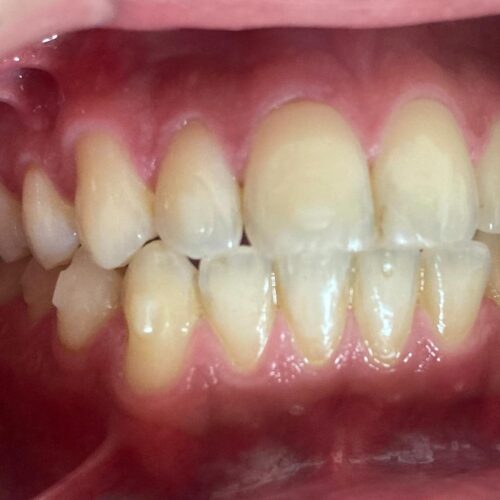
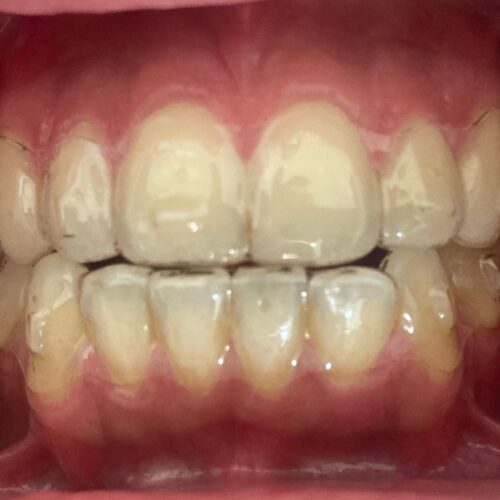
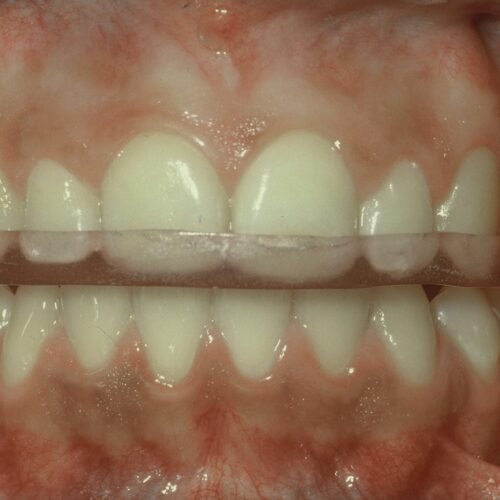
los alineadores necesitan que algunos dientes lleven topes
Alineadores colocados
En la clinica, cuando es tratamiento de adultos, recomendamos terminar con un guarda oclusal rígido. Es mas duradero y mantiene los dientes en su posición.

Are all aligner brands the same?

There are different brands of dental aligners, such as Invisalign, Spark and other options available on the market. They are not exactly the same, as each system uses its own materials, digital technology, planning software and clinical protocols.

However, the objective is very similar: to move teeth progressively using a series of custom-made transparent aligner trays.

Beyond the brand, what truly matters is that the treatment is correctly indicated, carefully planned and properly monitored by the dentist or orthodontist. A good aligner system does not replace a sound diagnosis.

“There are many brands, such as Spark or Invisalign. Are they the same? They are very similar. They work with different developments and technologies to achieve the goal of giving you a nice smile, but yes, they can all work well for you.”

Dr. Andrés Llobell

Do aligners require more oral hygiene?

Yes, and this is a crucial point.

With aligners, you wear a plastic tray covering the teeth for many hours a day. This means that if the teeth are not properly cleaned before inserting the aligner, food debris, bacterial plaque or sugars can become trapped against the enamel.

For this reason, oral hygiene must be particularly rigorous during treatment. It is important to brush your teeth after eating, clean the aligners thoroughly, and avoid putting them back in if they are dirty. Invisalign also recommends brushing the teeth before reinserting the aligners and cleaning the trays with lukewarm water and appropriate products.

Poor oral hygiene during treatment can increase the risk of tooth decay, enamel staining, bad breath and gum inflammation.

“Do aligners require a higher level of oral hygiene control? Yes, definitely. You will be wearing a plastic tray covering all of your enamel, trapping saliva against the teeth. If the aligner is not clean, or if your teeth are not perfectly clean when you put it in, the likelihood of developing cavities or enamel staining is significantly higher.”

Dr. Andrés Llobell

Do they work in the same way as braces?

Braces work 24 hours a day because they are fixed to the teeth. Aligners can also work for many hours a day, but with one key difference: they depend on the patient.

For treatment to be effective, aligners must be worn for most of the day. Invisalign recommends a wear time of 20 to 22 hours per day, removing them only for eating, drinking, brushing and flossing.

If the patient removes them frequently, wears them only at night, or stops using them for several days, treatment will slow down. It may even regress. Orthodontic movement requires a constant, controlled force for teeth to move as planned.

In simple terms: if you are not consistent, aligners are not the best option.

“Braces work 24 hours a day. Do aligners do the same? Yes, they do—but what will never work is putting them in and taking them out repeatedly, for example when you are with friends or for similar reasons. In those cases, aligners do not work effectively. If you stop wearing them for a week, you may lose two weeks of progress—it really is that simple. Orthodontic treatment requires consistency.”

Dr. Andrés Llobell

In which cases do we most often recommend aligners?

Aligners can be a very good option for many adult patients, particularly those seeking a discreet treatment that fits easily with their professional or social lifestyle.

They can also achieve good results in certain cases of open bite, crowding, spacing between teeth or minor malpositions, provided the case has been properly assessed.

They are especially convenient for people who work in public-facing roles, who wish to avoid the appearance of braces, or who value the ability to remove them for eating and maintaining normal oral hygiene.

“In which cases would we recommend aligners more? The best results are seen in open bites, where the upper front teeth do not meet the lower teeth, as is well established. They are also well suited to adults who are frequently in public-facing roles.And when would we choose braces? In cases where greater force is required, and in situations where the patient—despite maintaining good oral hygiene—prefers to avoid the inconvenience of always having to carry a case to store the aligners when eating. This can be particularly noticeable for people who often eat out.”

Dr. Andrés Llobell

When can braces be the better option?

Braces remain an excellent treatment option and, in some cases, they may even be preferable.

We tend to consider them particularly when more complex tooth movements are required, when greater force is needed, or when we anticipate that a patient may struggle to maintain the level of compliance required with aligners.

They can also be more practical for people who frequently eat out, who do not want to worry about removing and replacing aligners, or who prefer not to carry a storage case at all times.

With braces, there is no risk of forgetting them on a napkin, leaving them at home, or wearing them for fewer hours than necessary.

Are there aspects of this type of treatment we consider problematic? Yes. All clinics have encountered cases where, after some time, it has been necessary to switch to fixed braces. The reason is straightforward: lack of patient compliance. Anything that can be removed and put in a pocket requires a degree of mental effort and discipline.Consistency and commitment are essential. If you are not very consistent, it is better to opt for braces, as this can save both time and money in the long run.”

Dr. Andrés Llobell

Are aligners more expensive?

In general, they can be more expensive than other orthodontic treatments.

This is due to the technology involved, digital treatment planning, the manufacture of the aligner trays and the use of specialised brands, all of which represent a higher cost for the clinic. In many cases, these companies are not based in Spain, which also influences the final treatment price.

However, the cost will always depend on the complexity of the case, the expected duration of treatment and the specific needs of each patient.

Is it true that they are more expensive? Yes. The cost for clinics is significantly higher. The companies behind this technology are not based in Spain, and this is reflected in the final price.”

Dr. Andrés Llobell

What can go wrong with aligner treatment?

What we most frequently see is not that the system fails, but that the patient does not wear it as prescribed.

If aligners are not worn for the recommended number of hours, the teeth do not follow the intended movement. As a result, the trays stop fitting properly, treatment is prolonged and, in some cases, it may be necessary to switch to braces in order to complete treatment correctly.

For this reason, we are clear: aligners require commitment. If you are consistent, they can be a comfortable, aesthetic and effective option. If you know you will be removing them repeatedly, it is better to consider an alternative from the outset.

Do you need to wear retainers afterwards?

Yes. After orthodontic treatment, whether with braces or aligners, retainers are necessary.

Retainers help keep the teeth in their new position while the bone and surrounding tissues stabilise. In addition, teeth can shift over time, which is why the retention phase is an essential part of treatment. The American Association of Orthodontists notes that retainers are required after orthodontic treatment to maintain the achieved results.

Typically, upper and lower retainers are prescribed, and the duration of wear depends on each individual case. They are usually particularly important during the initial period, after which night-time wear may be recommended as maintenance.

“Do I have to wear a retainer afterwards? Yes. After both braces and aligner treatment, you will need to wear upper and lower retainers for at least one year, until the bone has stabilised.

Dr. Andrés Llobell

So, aligners: yes or no?

Dental aligners are an excellent option for many patients, but they are not suitable for everyone.

They work very well when the case is properly indicated, when there is good clinical supervision, and when the patient complies with the required wear time and daily hygiene.

If you are looking for a discreet, comfortable orthodontic option that fits into your daily routine, they can be an excellent alternative. However, if you do not want to be constantly removing, cleaning and reinserting them, braces may be a more practical option.

At Clínica Llobell, we can assess your case, study your bite and explain which treatment is best suited to you.
Dental implants: Are they suitable for young patients?

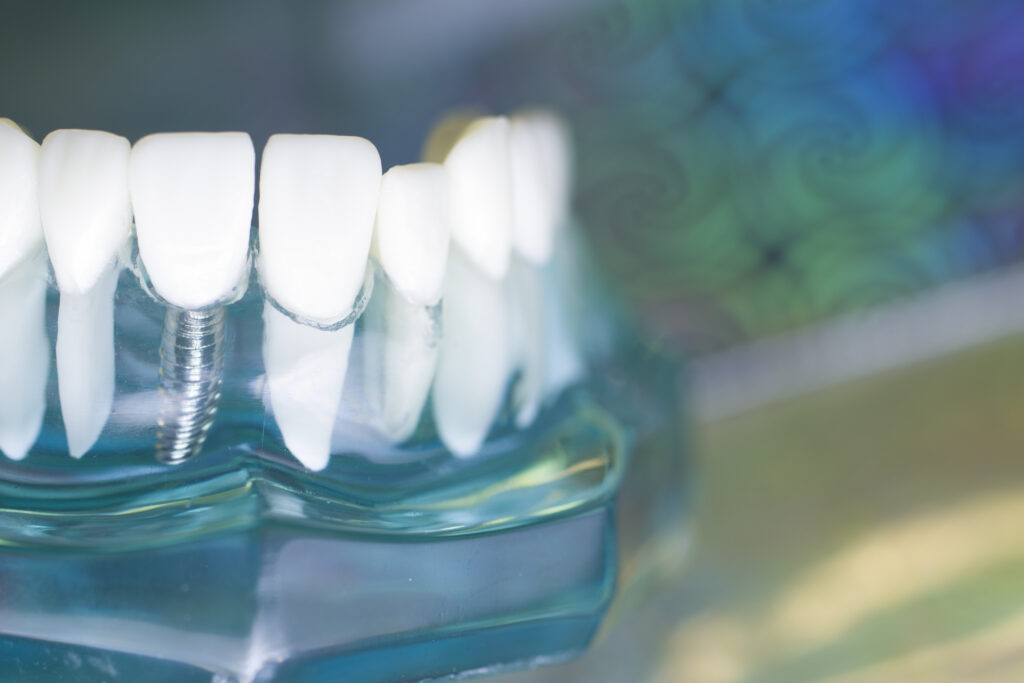
Los implantes dentales son preferiblemente para personas adultas

A common question in clinical practice is why dental implants are usually placed in adults rather than in younger patients who are still growing.

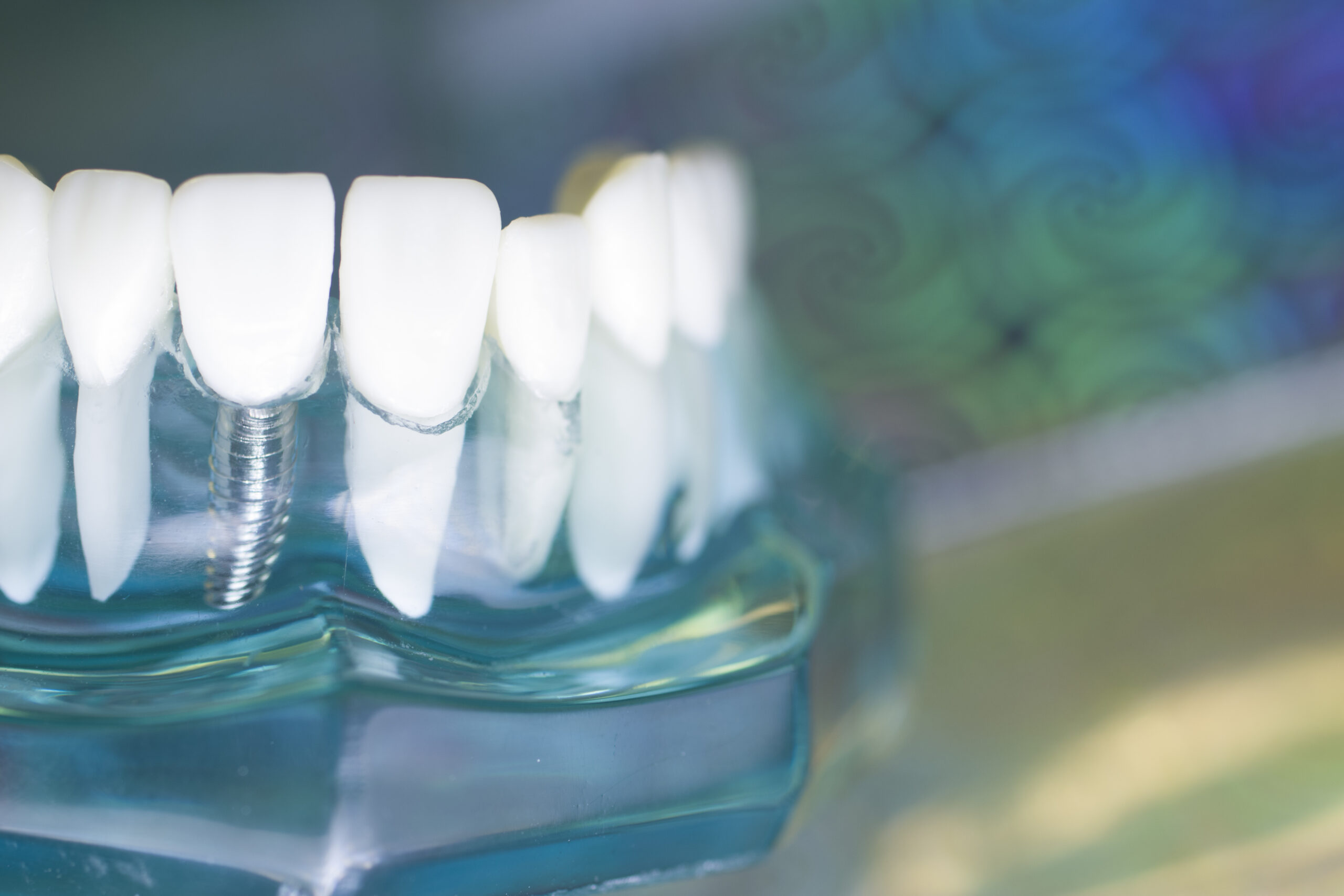
The answer relates to biology, to the development of the jawbones, and also to an important concept: a dental implant is not a natural tooth. It is a highly useful, safe and effective solution when properly indicated, but it remains a prosthetic device integrated into the bone.

Natural teeth, if properly cared for and regularly reviewed, can last a lifetime. Implants can also last many years, but this does not mean they are lifelong solutions. They also require maintenance, regular check-ups and appropriate conditions in order to function correctly.

Below, we present a series of reasons why dental implants should not be the first option for younger patients, explore their longevity, advantages and disadvantages, and finally review a real case and consider alternatives to implants.

WhatsApp Image 2026-06-01 at 10.37.07
Diseño sin título-2
WhatsApp Image 2026-06-01 at 10.37.07 (1)

1: An implant does not grow with the patient

In children and adolescents, the bones of the face and jaw are still developing. Natural teeth adapt to this growth, but a dental implant does not behave in the same way.

Once placed in the bone, the implant remains fixed. For this reason, if it is placed too early, while the maxilla or mandible is still growing, it may eventually become misaligned with the rest of the teeth, or lead to aesthetic and functional problems. For this reason, chronological age alone is not sufficient; it is essential to assess whether bone growth has been completed.

“No dental implant is for life; that is impossible. No prosthesis in the human body—none at all—lasts forever, because it is not biologically part of us.”

Dr. Andrés Llobell

2: Dental implants have a history, but also limitations

Dental implants began to be used more widely decades ago, particularly in patients who had lost all their teeth and wore full dentures. In those cases, the oral environment was different: there were no adjacent natural teeth, and therefore the implant was exposed to fewer risk factors associated with neighbouring dentition.

Over time, implants also began to be used to replace single teeth, i.e. to restore an individual missing tooth. This represented a major advancement, but also a more complex clinical scenario: the implant coexists with natural teeth, gingival tissues, bacteria, occlusal forces and potential periodontal issues.

For this reason, each case must be carefully assessed before deciding whether an implant is the most appropriate option.

“We began placing dental implants many years ago, from around 1985 onwards, initially in edentulous patients (patients with full dentures), where we did not encounter highly aggressive bacterial environments, and we placed prostheses without significant load on these implants. These are, without doubt, the longest-standing statistics.”

Dr. Andrés Llobell

3: A dental implant is not for life

Although modern dental implants show high long-term survival rates, they do not last forever. Some reviews report a 10-year survival rate of approximately 93–96%, depending on the studies and methodology used.

While some implants may last longer, and there are cases of patients retaining them for decades, their long-term performance and survival depend on numerous factors: oral hygiene, bone quality, gingival health, the patient’s general health, smoking, the presence of periodontal disease, bruxism, and adherence to regular professional maintenance and follow-up.

“From around 1990 onwards, we began to place single-tooth implants, and from approximately 1995, immediate implants, extending treatments to patients who experienced difficulties chewing with their dentures.

In general, patients who retain their own natural teeth alongside an implant are exposed to a more aggressive bacterial environment, with bacteria present in the teeth adjacent to the implant, and therefore tend to experience reduced longevity.

There are important factors that can shorten the lifespan of implants: when the patient also has periodontal disease, when the patient has few remaining teeth, or when teeth are lost due to fractures caused by clenching or grinding.”

Dr. Andrés Llobell

4: Implants can experience bone loss

Bone loss can occur around a dental implant over time, particularly if inflammation, poor oral hygiene, excessive loading or peri-implant disease develops.

Peri-implantitis is an inflammatory condition affecting the tissues surrounding the implant and can lead to bone loss. Well-established risk factors include inadequate oral hygiene, smoking, a history of periodontitis, poorly controlled diabetes and a lack of regular maintenance.

This is why follow-up appointments are so important. Unlike natural teeth, an implant does not always produce pain in the early stages of a problem, and in many cases initial complications may go unnoticed by the patient.

“Do implants lose bone? Yes, and this is inherent to them. Even in the best-case scenarios, we observe a gradual loss of bone level over the years, which can also affect adjacent teeth. This is one of the reasons why their use should be reserved for adults.”

Dr. Andrés Llobell

5: Teeth should be preserved whenever possible

Today we know that when a natural tooth has a favourable prognosis, the ideal approach is to attempt to preserve it. Teeth are biological structures, with a periodontal ligament, sensitivity and a natural capacity to adapt within the oral environment.

This does not mean avoiding implants when they are needed; rather, it means using them only when they are truly the best option.

In many cases, before extracting a tooth and placing an implant, we assess whether it can be maintained through periodontal treatment, restorative dentistry, endodontics or fixed prosthodontics. If a conservative option is viable and offers a good prognosis, it is usually worth pursuing.

“From a professional standpoint, I consider that natural teeth should be used as abutments for fixed prostheses whenever possible, and that implant-supported prostheses should be considered when this first option is no longer viable.”

Dr. Andrés Llobell

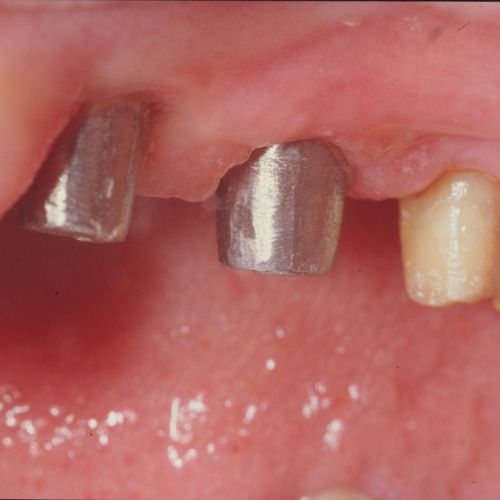
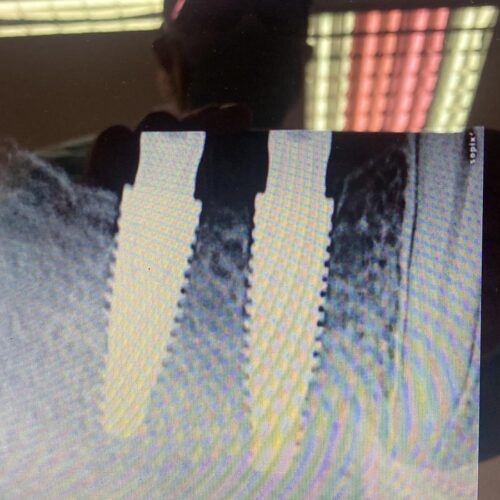
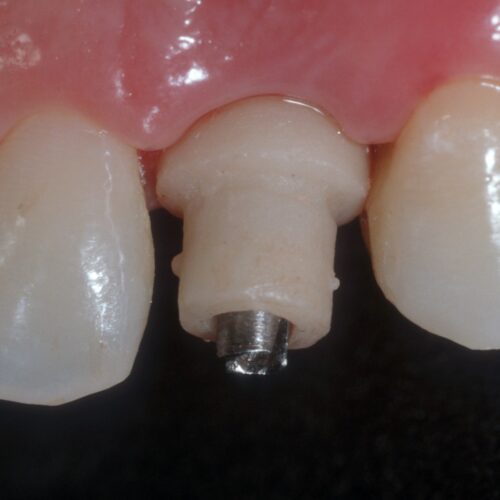
Implante corto. A veces necesario por la sección:anchura mandibular o por preservar
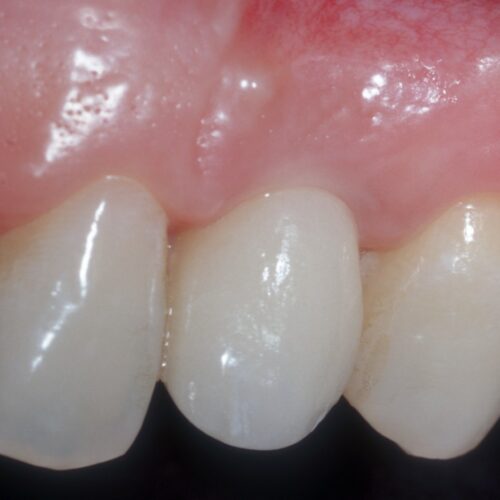
Implantes de buena longitud para molares
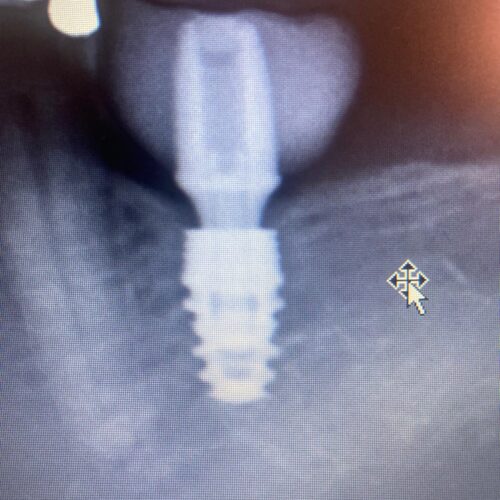
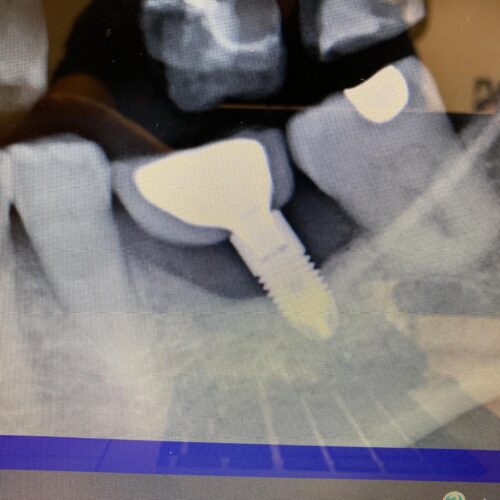
Implante con 10 años sólido pero ha perdido hueso

When an implant is recommended

We consider implants when a tooth can no longer be preserved, when a tooth is missing, when a conventional prosthesis is not viable, or when there is a need to restore function, aesthetics and stability in a safe and predictable way.

They are also indicated in adult patients who have lost multiple teeth and require more comprehensive rehabilitation.

The key is not to rush the decision. An implant should be placed at the right time, with careful planning and a long-term perspective.

Dental implants are an excellent solution when correctly indicated. However, it is also true that we place great value on natural teeth. For this reason, before resorting to implants, it is advisable to do everything possible to maintain oral health: good at-home oral hygiene, regular check-ups, periodontal monitoring and early detection of any problems.

At Clínica Llobell, we recommend regular reviews to assess teeth, gums, bone and implants, in order to avoid unexpected issues. Prevention remains, above all, the best form of treatment.

““There is a line of clinical practice that uses shorter implants, with the aim of preserving sufficient bone for a potential second phase involving new implants in the future.”

Dr. Andrés Llobell

Conclusion: Dental implants should be a good solution, not an automatic decision

Dental implants have transformed dentistry and make it possible to replace missing teeth with very good outcomes. However, they are not a solution that should be used without careful consideration of the clinical context.

They are placed in adults because we need to ensure that bone growth has finished and because, in most cases, they are an alternative when a natural tooth can no longer be preserved.

Every patient, every mouth and every clinical history is different. For this reason, before making a decision, the most important step is to thoroughly assess the case and address all questions during the consultation.

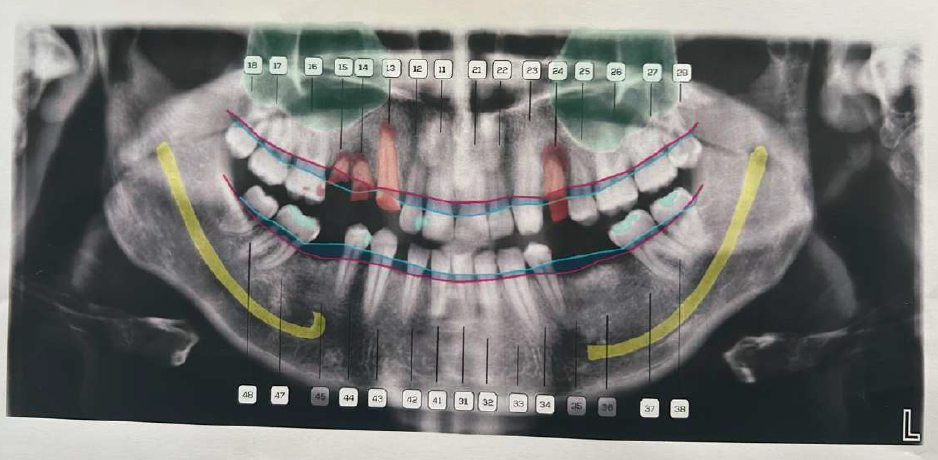
Real case: young patient with multiple missing teeth – implants, yes or no?


To better understand this approach, we can look at a real case, although only an initial will be used to protect the patient’s privacy. We will refer to him as B.

B. attended Clínica Llobell at just 30 years of age. This is a very significant detail, as we are dealing with a young patient with many decades ahead of him, and with dental decisions that could have a lifelong impact.

He was missing several teeth, and other teeth were in very poor condition and required extraction. He had previously consulted other clinics and came with the understanding that his case could only be resolved through a very extensive implant-based rehabilitation, as this was what had been proposed to him: extracting multiple teeth, regenerating bone, placing several implants and then restoring the case with implant-supported crowns.

In one of the external treatment plans, a highly implant-focused approach was proposed, involving extractions, bone regeneration, guided surgery, implant-supported crowns and up to six dental implants, with a very high overall cost.

In another assessment, orthodontic treatment was also suggested prior to the implant phase. This would have extended the overall treatment time, increased the cost and subjected the patient to a more complex process before even reaching the final rehabilitation.

However, in a 30-year-old patient, the question cannot simply be: “how many implants are missing?”. The question must be much broader: which teeth can be preserved, which structures are still functional, and how can we plan a dentition with a long-term future?

That distinction completely changes the clinical approach.

In B.’s mouth, not everything was lost. There were edentulous areas, missing teeth and compromised teeth, but also teeth that could still provide functional value if the rehabilitation was properly planned. For this reason, instead of proposing a predominantly implant-based solution, Clínica Llobell considered a more conservative alternative: restoring different areas with porcelain fixed prostheses, using natural teeth as abutments wherever possible.

The proposed plan included several fixed restorations: a three-unit bridge in the upper left quadrant, a four-unit bridge in the lower left quadrant, and another three-unit bridge in the lower right quadrant. For the upper right quadrant, two options were considered: either a solution with two implants supporting three crowns, or a six-unit porcelain fixed bridge, depending on the final assessment of available support.

In other words, the case was not approached from the idea of “replacing every missing tooth with an implant”, but from a global view of the mouth. In some cases, a well-designed bridge can replace a missing tooth without the need to place implants in every gap. When correctly indicated, this allows more tooth structure to be preserved, simplifies treatment and keeps future options open.

The truly important point was to avoid overtreatment with implants in a very young patient. Placing multiple implants at 30 is not the same as placing them at 70. At 30, those implants will need to function for decades alongside changes in bone, gingival tissues, occlusal forces, oral hygiene challenges, wear and potential future treatments.

An implant is an excellent tool when indicated, but it is not a tooth. It has no periodontal ligament, it does not behave like a natural tooth, and over time it can influence the available bone and future treatment options.

For this reason, when we can maintain natural teeth with a good prognosis and use them safely, that is often the more prudent option. Not because implants are inadequate, but because they should be reserved for when they truly add value.

This case summarises our philosophy very clearly: it is not about placing fewer implants as a rule, nor more implants as routine. It is about placing the right ones, at the right time, with the patient’s long-term future in mind.

At Clínica Llobell, we believe that a good rehabilitation is not always the most complex one, but the most appropriate one for each case. And in B.’s situation, the best solution was not to begin with a mouth full of implants, but to preserve, plan and rehabilitate with clinical judgement.